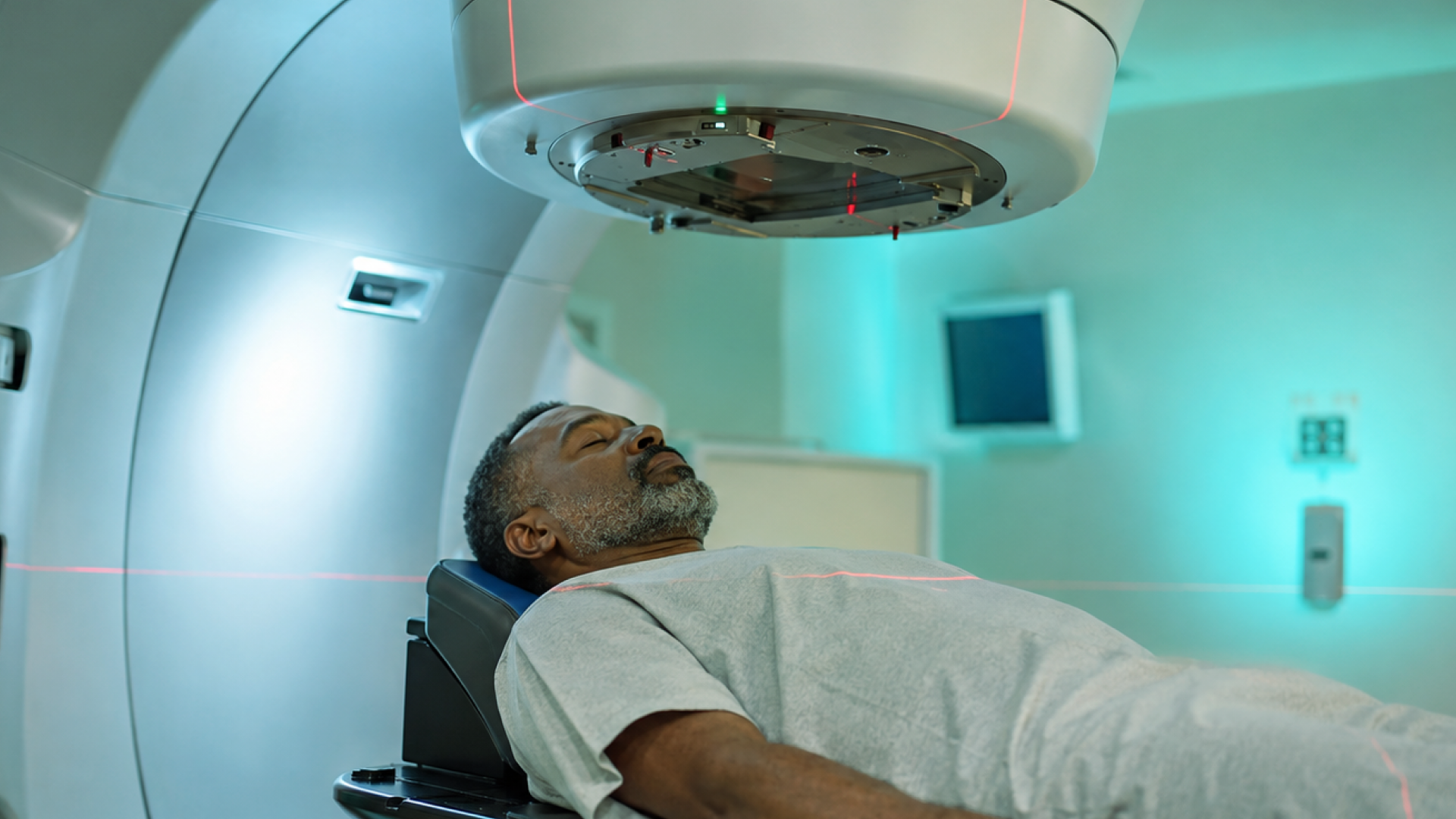
Five-fraction radiotherapy is a modern treatment for localised prostate cancer. It delivers a full course of radiotherapy in five sessions over one to two weeks. Clinical trial results show it controls the cancer as well as longer schedules, with no surgery and no hospital stay.

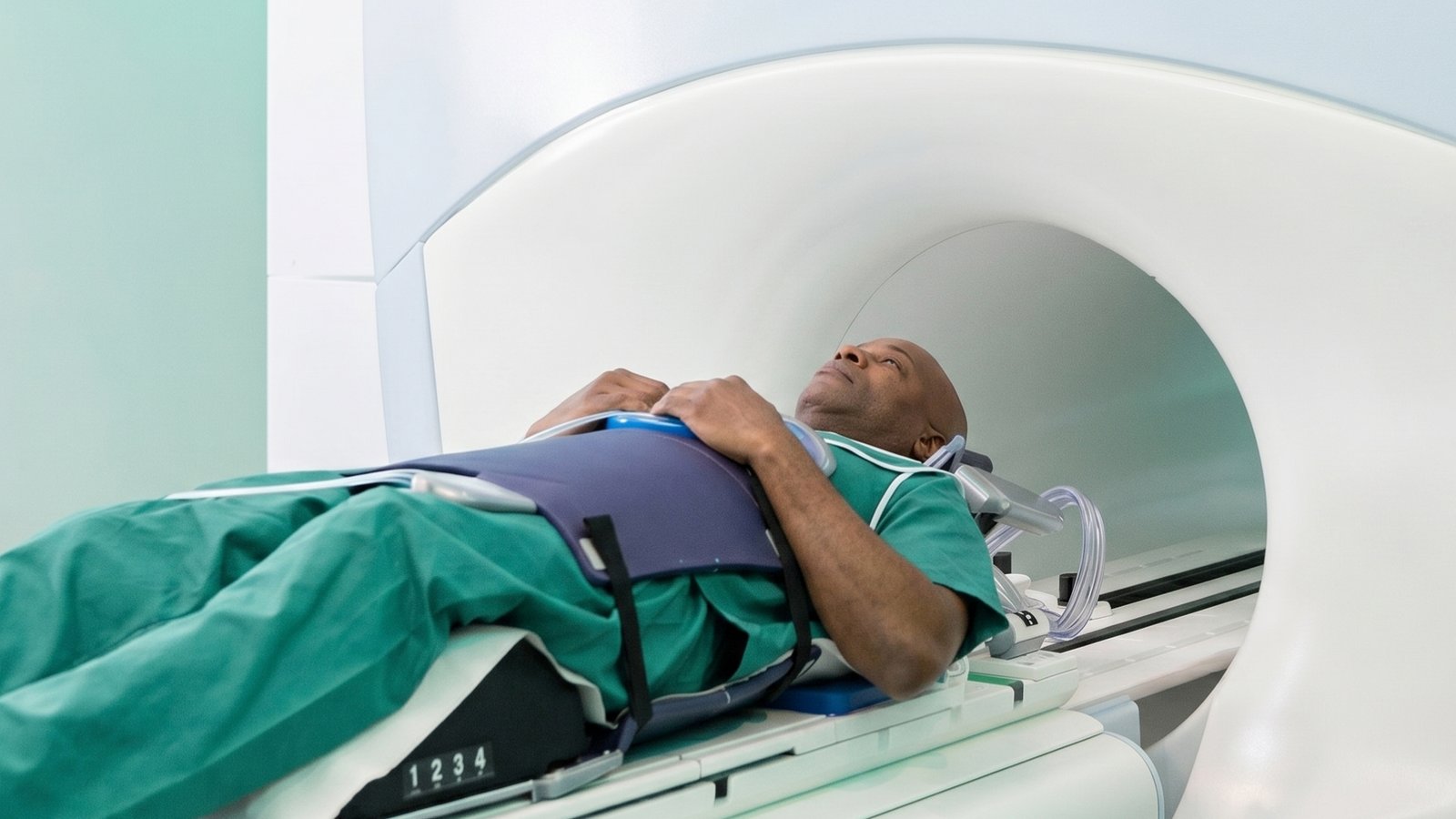
Five-fraction radiotherapy lets men with localised prostate cancer finish a full course of treatment in five sessions rather than four to seven weeks. The sessions usually run over one to two weeks, and then the treatment is done. Results published in the New England Journal of Medicine in October 2024 confirmed that it controls the cancer just as well as the longer schedules used for years.
For a lot of men, that is a big thing to hear. Instead of travelling to a hospital 20 or 39 times, you go five times. You stay an outpatient the whole way through. There is no surgery, no general anaesthetic, and no overnight stay.
In the clinic, the first thing many men ask is whether fewer sessions mean a weaker treatment. It does not. The science behind five-fraction radiotherapy is the reason it works, and that is where it helps to start.
What Is Five-Fraction Radiotherapy?
Five-fraction radiotherapy is a way of giving radiotherapy in five high-dose sessions instead of the usual 20 to 39 conventional ones. You might hear your doctor use other names for it. Some say SBRT, which stands for stereotactic body radiotherapy. Others say SABR, which stands for stereotactic ablative radiotherapy. The names point to the same approach.
Radiotherapy uses carefully aimed beams of high-energy radiation to destroy cancer cells. The older method gives a small dose each time, so the treatment builds up slowly over many weeks. Five-fraction radiotherapy gives a larger, more concentrated dose at each visit, which is a form of stereotactic radiotherapy used widely across the UK.
Why Larger Doses Suit Prostate Cancer
This comes down to biology. Prostate cancer cells respond better to fewer, larger doses of radiation than to many small ones spread over weeks. Radiation scientists call this a low alpha-beta ratio. In plain terms, the cancer is more vulnerable to this kind of treatment.
To give a higher dose safely, the aim has to be very precise. Before each session, the machine takes detailed images of your prostate to confirm exactly where it sits. The beam is then aimed to within a millimetre or so. If the prostate shifts a little during treatment, which can happen as the bladder fills or the bowel moves, the system picks this up and adjusts.
The Machines That Deliver Five-Fraction Radiotherapy
Three types of machines can give this treatment. Which one your centre uses depends on its equipment, and all three give strong results in experienced hands. Here is a short look at each:
- Standard linac (linear accelerator). The most common radiotherapy machine in UK hospitals. It looks like a large scanner that rotates around you.
- MR-linac. A linac built together with an MRI scanner, which gives clearer real-time images of soft tissue during treatment.
- CyberKnife. A robotic arm that moves around the body and delivers radiation from many angles with very high precision.
The Evidence Behind Five-Fraction Radiotherapy
The main reason five-fraction radiotherapy is now widely accepted comes down to one large clinical trial called PACE-B. A clinical trial is a controlled research study. Patients are placed at random into different treatment groups, and their results are tracked and compared over time.
PACE-B enrolled 874 men across 38 centres in the UK, Ireland, and Canada. All had localised prostate cancer, which means the cancer was contained within the prostate and had not spread. Half had five-fraction SBRT. The other half had conventional radiotherapy over 20 or 39 sessions. Neither group used hormone therapy, so the comparison was purely about the radiotherapy.
Five years after treatment, 95.8% of men in the SBRT group were free from any sign of the cancer returning or progressing, compared with 94.6% in the conventional radiotherapy group. Those numbers are not just close. They are statistically equivalent. In trial language, the term “non-inferior” means five-fraction radiotherapy was shown to be no worse than the longer schedule at controlling the cancer.
What the Trial Found About Side Effects
Side effects were tracked closely in both groups. The picture is reassuring, with one point worth flagging early. The two main areas were bowel and urinary symptoms:
- Bowel side effects were almost the same in both groups. Significant bowel symptoms affected about 1 in 10 men either way, with no meaningful difference.
- Urinary side effects were a little higher with SBRT. Late urinary symptoms of grade 2 or above were more common in the SBRT group than in the conventional group. Grade 2 means symptoms you would notice, such as needing to pass urine more often or mild discomfort. Most of these settle with time.
Men who already have urinary problems before starting treatment tend to have a slightly higher chance of more noticeable symptoms. Your specialist will weigh this up before making a recommendation.
Who Five-Fraction Radiotherapy Suits
Five-fraction radiotherapy is usually offered to men with localised prostate cancer who are suited to radiotherapy and do not have surgery. To take part in the PACE-B trial, men had to meet three clinical points:
- A Gleason score of 3+4 or less. The Gleason score grades how aggressive the cancer cells look under a microscope. A score of 3+4 sits in the intermediate-risk range.
- A PSA level of no more than 20 ng/mL. PSA stands for prostate-specific antigen, a protein measured with a blood test. A lower level usually points to less advanced cancer.
- Stage T1 or T2 disease. T1 means the cancer cannot be felt during an examination. T2 means it can be felt but is still inside the prostate.
Not everyone is suited to it. Men with a very enlarged prostate, marked urinary symptoms, or certain anatomical factors may do better with a longer course of external beam radiotherapy. This is not a rejection. It is about matching the right treatment to the right person.
For men with higher-risk disease, research is still going on. The PACE-C arm of the same trial is looking at higher-risk prostate cancer treated with hormone therapy alongside radiotherapy. A separate arm called PACE-NODES is studying whether treating the pelvic lymph nodes as well as the prostate improves results for high-risk cases.
Preparing for Five-Fraction Radiotherapy
Before the first session, there is a short preparation phase. Each step here has a direct effect on how accurately the treatment can be given. There are two main stages.
Step 1: Fiducial Marker Insertion
Most men having treatment on the Cyberknife or the Standard Linac will have small gold markers placed inside the prostate first. These are called fiducial markers. They are tiny, about the size of a grain of rice, and they stay in place for good. You will not feel them once they are in.
The prostate does not sit perfectly still inside the body. As the bladder fills or the bowel moves, it can shift slightly. The gold markers show up clearly on scans, so the team always knows exactly where the prostate is before each session. That keeps the radiation on the cancer and away from the rectum and bladder.
Here is what the insertion involves:
- It is done under local anaesthetic at a short outpatient appointment, a bit like a dental procedure.
- Three markers are placed using a fine needle, guided by an ultrasound probe placed in the rectum.
- The whole thing takes around ten minutes.
- You will be given a short course of antibiotics beforehand to lower the risk of infection.
- If you take blood-thinning medication such as aspirin or warfarin, your team will tell you when to pause it.
At the same appointment, some men also have a small biodegradable gel spacer placed between the prostate and the rectum. This makes a physical gap that protects the rectum during treatment. It dissolves on its own over a few months.
Men receiving treatment on the MR-Linac don’t need fiducial markers due to the better quality of imaging, allowing real-time visualisation of the target and the surrounding organs.
Step 2: The Planning Scan
A CT scan, sometimes paired with an MRI, is done one to two weeks after the markers go in. This scan builds a three-dimensional map of your prostate and the organs around it. Your team uses the map to plan treatment that targets the cancer while protecting the bladder, rectum, and nearby tissue.
For this scan, and for every session after it, you will follow a set routine:
- Use a small enema beforehand to clear the lower bowel.
- Arrive with a partly full bladder. A moderately full bladder pushes the small bowel out of the treatment area, which reduces bowel irritation.
Your team will give you written instructions well ahead of time. For more on what to eat and avoid around treatment, the guide on foods to avoid when having radiotherapy for prostate cancer covers this in detail.
What Happens at Each Session
Each session is an outpatient appointment. You arrive, have your treatment, and go home the same day. Most men feel well enough to drive themselves, though it is worth having someone with you on the day the markers are inserted. A typical session runs like this:
- You change into a gown and lie on the treatment couch.
- The radiographers spend up to ten minutes setting your position carefully. Getting this right matters because the plan is built around one exact position.
- A short imaging scan confirms where your prostate is, using the gold markers, before anything is delivered.
- The machine delivers the radiation. This takes between three and fifteen minutes, depending on the equipment.
- You get up and go home.
You will not feel, see, or hear the radiation. The machine rotates around you but never touches you. If you need anything, you can speak to the team through an intercom, and they watch you on a monitor the whole time.
Sessions are spaced every other day rather than on back-to-back days. That gap is deliberate. It gives the body time to settle between doses and keeps side effects from building up.
Side Effects of Five-Fraction Radiotherapy
Most men tolerate five-fraction radiotherapy well, but side effects are real and worth knowing about before you start. They fall into two groups: short-term effects and longer-term ones.
Short-Term Side Effects
These show up during or shortly after the treatment course, and they tend to ease off within a few weeks. They include:
- Urinary symptoms. Needing to pass urine more often or more urgently, or a mild burning feeling. This comes from temporary irritation of the bladder and the urethra, the tube that carries urine out of the body.
- Bowel symptoms. Looser or more frequent bowel movements, or mild discomfort around the back passage. These tend to stay mild with five-fraction radiotherapy.
- Fatigue. Feeling more tired than usual. This varies a lot from man to man. Gentle activity, even a daily walk, can make a real difference to energy levels.
Urinary and bowel symptoms may carry on for two to six weeks after treatment ends, then gradually improve.
Longer-Term Side Effects
Some effects develop over months rather than weeks. They are less common, and most can be managed. They include:
- Persistent urinary changes in a smaller number of men. Medication called alpha-blockers, the same type used for an enlarged prostate, can help manage these.
Sexual changes are the other longer-term effect, including erectile dysfunction after prostate cancer treatment. This tends to develop gradually rather than straight after radiotherapy, and how much it affects you depends on your age and how things were beforehand. Treatments are available, and it helps to raise this early with your care team. Questions about sex after prostate cancer treatment are completely normal, and your team will have helped many men with the same concerns.
How Five-Fraction Radiotherapy Compares to Other Options
Men suited to five-fraction radiotherapy are often suited to surgery or a longer course of radiotherapy too. Here is how the options stack up on the points that tend to matter most.
Five-Fraction Radiotherapy vs Surgery
The PACE-A arm of the same trial compared SBRT directly with radical prostatectomy, the surgical removal of the prostate. Two years after treatment, the difference in urinary leakage stood out:
- Half of the men who had surgery were using absorbent pads daily for urinary leakage.
- Around 1 in 15 of the men who had SBRT reported the same.
Surgery also means a general anaesthetic, a hospital stay, and several weeks of recovery. Five-fraction radiotherapy involves none of those. Men weighing up the best treatments for prostate cancer should look at both the cancer control results and the quality-of-life differences side by side with their specialist.
Five-Fraction Radiotherapy vs Conventional Radiotherapy
Against conventional external beam radiotherapy, cancer control at five years is equivalent. The main differences are practical:
- Number of hospital visits. Five sessions versus 20 or 39.
- Overall treatment period. One to two weeks versus four to eight weeks.
- Urinary side effects. Slightly higher with SBRT, as the trial data showed.
If you are having hormone therapy alongside radiotherapy, it helps to understand the side effects of hormone treatment for prostate cancer before you start. Some centres also offer MRI-guided radiotherapy, which adds another layer of precision for certain patients.
Talking to a Specialist About Five-Fraction Radiotherapy
Five-fraction radiotherapy has changed what prostate cancer treatment looks like for a lot of men. Five sessions instead of weeks of daily visits, with cancer control that matches the longer schedules. That is not a small thing.
If you have recently been diagnosed or referred, you will have questions about which treatment fits your situation. The answer depends on your Gleason score, your PSA level, your prostate size, your urinary health before treatment, and a handful of other factors that only a specialist can properly assess. A good first step is understanding your prostate cancer diagnosis in full.
Dr Carla Perna is a consultant clinical oncologist with specific expertise in prostate cancer and urological cancers. She works with men at every stage of diagnosis to help them understand their options clearly and choose a path that fits their circumstances.
If you would like to discuss whether five-fraction radiotherapy is suitable for you, get in touch to book a consultation. You do not need to work this out alone.
Frequently Asked Questions
How long does each session take from start to finish?
The radiation itself takes between three and fifteen minutes. The full appointment, including preparation, positioning, and the imaging scan beforehand, usually runs between 30 and 60 minutes.
Will my bladder be permanently affected?
For most men, urinary side effects are temporary and settle within a few weeks to a few months. A smaller number have longer-term changes, and these are usually manageable with medication. If you already have urinary symptoms, your specialist will factor this in when deciding whether the treatment is right for you.
Is five-fraction radiotherapy an option for high-risk prostate cancer?
The strongest evidence so far applies to men with low- and intermediate-risk localised prostate cancer, based on the PACE-B trial. Research into higher-risk disease is going on through the PACE-C and PACE-NODES trials. Your oncologist will advise you based on your own results and staging.
Can I keep working during treatment?
Most men carry on working through the treatment course. There is no surgical recovery and no hospital stay. Side effects during the two-week window are usually mild enough that daily routines stay largely the same.
Do I need hormone therapy as well?
It depends on your cancer risk profile. In PACE-B, hormone therapy was deliberately left out, and results were strong for low- and intermediate-risk men. For higher-risk disease, your oncologist may recommend combining radiotherapy with a course of hormone therapy. That is a clinical decision based on your results, not a sign that the radiotherapy alone is not enough.
What happens once treatment is finished?
Your PSA level is checked every three to six months in the years after treatment. PSA drops gradually after radiotherapy rather than all at once, so it will not fall to zero straight away. A small temporary rise, called a PSA bounce, can also happen in the months afterwards and does not always mean the cancer has come back. Your oncologist will read your results in full context. Staying active during recovery helps with energy and overall well-being, and exercise during and after prostate cancer treatment is worth discussing with your care team from the start.