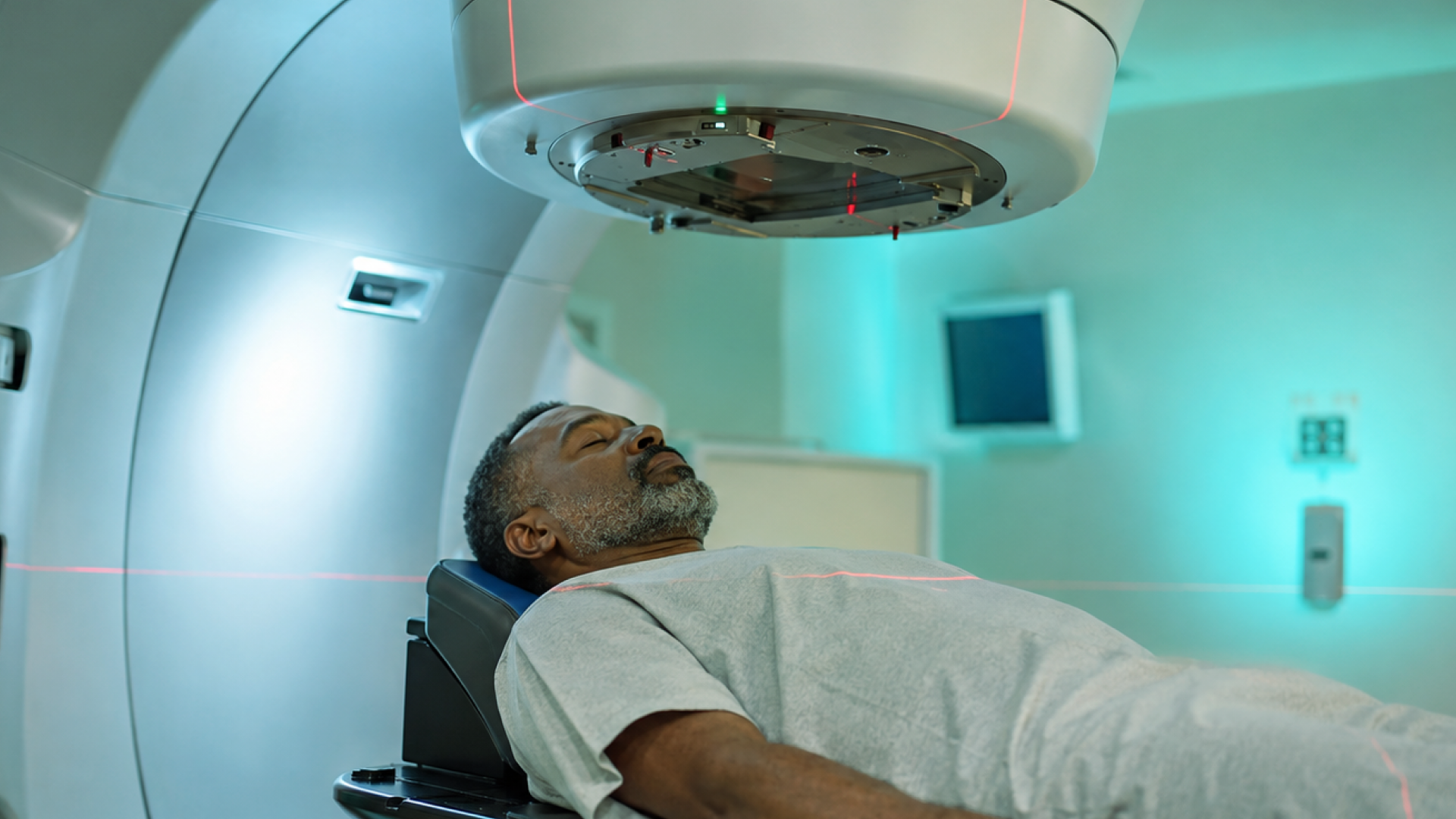
Prostate cancer treatment is highly personalised and depends on cancer stage, aggressiveness, and individual health goals. Options range from active surveillance and surgery to precision radiotherapy, hormone therapy, chemotherapy, and targeted treatments. Understanding these choices helps patients make confident, informed decisions with their specialist.


Understanding the treatment options for prostate cancer is an important step for any man who has recently been diagnosed or is supporting someone through this journey. Prostate cancer is one of the most common cancers in men, but treatments today are more effective and personalised than ever.
Every patient’s situation is unique. The most suitable treatment varies depending on the cancer stage, aggressiveness, general health, and personal preference. This article discusses various treatments, what they entail, their application, and what to expect. By the end, you will have a comprehensive understanding of your choices and feel more comfortable talking about the next steps with your specialist.
What Are the Best Treatment Options for Prostate Cancer?
The best treatment for prostate cancer in the early stages will depend on how aggressive it is and whether it has spread. In some cases, prostate cancer continues to grow at the slowest possible rate. Thus, in those cases, it may be better to observe the cancer rather than to treat it. Others benefit from surgery or precisely targeted radiotherapy. Below is a detailed look at all major treatment pathways.
Treatment Options for Localised or Low-Risk Prostate Cancer
Localised prostate cancer means the cancer is contained within the prostate and has not spread. Many patients fall into this group, which includes:
1. Active Surveillance
Many men with slow-growing prostate cancer are advised to start with active surveillance. This approach is designed for cancers that are unlikely to cause harm in the near future. Instead of treating the cancer straightaway, your healthcare team monitors it closely using PSA blood tests, MRI scans, and occasional biopsies.
This is a safe option for men whose cancer poses a very low immediate risk. It helps avoid side effects from treatment while still keeping a close watch on any changes.
2. Surgery (Radical Prostatectomy)
Surgery is a common prostate cancer treatment for men whose cancer is confined to the prostate but requires active management. A radical prostatectomy is the surgical removal of the entire prostate gland, along with some of the nearby lymph nodes.
In this procedure, the intent is to treat the cancer by removing all tissue involved. There is also the option of robotic surgery, which is now available in many places and may result in less downtime and side effects. Your surgeon will suggest robotic surgery based on your health (age, medical condition) and the aggressiveness of your cancer.
3. Radiation Therapy
External beam radiotherapy and internal seed therapy (brachytherapy) are widely used for cancers that have not spread outside the gland. This form of care involves radiation therapy for prostate cancer delivered with high precision. That means that while the goal is to kill cancer cells, any healthy structures or tissues surrounding the prostate will be as protected as possible.
Techniques like image-guided radiotherapy (IGRT) or intensity-modulated radiotherapy (IMRT) help specialists adapt the treatment to the prostate’s movement and shape. Many men choose this option as an alternative to surgery.
If you are unsure whether surgery or radiotherapy is right for you, book a consultation to discuss the personalised benefits of each.
Treatment Options for Advanced or Metastatic Prostate Cancer
When the cancer has moved beyond the prostate or reached distant organs, the treatment for prostate cancer focuses on controlling the disease, relieving symptoms, and improving quality of life. These are:
1. Hormone Therapy
Hormone therapy for prostate cancer is often the first step for advanced cases due to prostate cancer’s reliance on testosterone for growth. Thus, it works by either decreasing testosterone levels or blocking testosterone’s effect on the cancer.
This therapy can either shrink the cancer or slow its growth. Hormone therapy is effective when used prior to radiotherapy and with cancers that have already spread. It is generally delivered via injection, tablet form, or surgery (orchiectomy) to remove the testicles.
2. Chemotherapy
Some men may receive chemotherapy for prostate cancer when hormone therapy does not show desired results. With this, medications like docetaxel and cabazitaxel work by targeting the cancer cells that are rapidly dividing.
Chemotherapy may slow the cancer progression, relieve symptoms, and prolong survival. It is given in cycles, and your specialist team closely monitors side effects and adjusts doses as needed.
3. Targeted Therapy
Targeted therapies are used to treat prostate cancer based on the specific genetic mutations that the cancer cells present with. For example, men with mutations (BRCA1 or BRCA2) respond well to the targeted therapy called a PARP inhibitor. Your doctor may recommend genetic testing to determine whether targeted therapy is appropriate for you.
4. Combination of More Therapeutic Approaches
Most of the time different treatment modalities can be combined or used in sequences to achieve the best response.
Important Considerations When Choosing Treatment
Determining the best plan is more than looking at medical charts. You and your specialist will consider the following factors:
- Your personal preferences
- The likelihood of cure or control
- Your own goals for quality of life
- The stage and risk of your cancer
- Side effects and long-term effects
- Your age, lifestyle and overall health
Many patients ask if prostate cancer can be cured. Many early-stage cancers respond very favourably to surgery or radiotherapy and can be cured. In more advanced cancers, the right combination of therapy can control the cancer for a long time. If you are open with your specialist about your concerns, you will be able to make an informed choice.
When to See a Specialist
If you have been recently diagnosed or your PSA levels have risen, you should consult a prostate cancer expert. A specialist may:
- Help clarify risks and side effects
- Review imaging studies and biomarkers
- Discuss the best combination of therapies
- Clearly describe prostate cancer treatments
- Provide access to advanced radiotherapy and clinical trials
You may seek the expertise of a professional like Dr Carla Perna, who is highly specialised in a precisely tailored approach to managing prostate cancer. She has clinical experience and ensures that every patient receives organised, evidence-based strategies.
Wrapping Up
Learning about the full spectrum of treatment options for prostate cancer can help you feel understood and supported every step of the way after your diagnosis. Some men can be safely monitored through active surveillance, while others need surgery, radiotherapy, hormone therapy for an advanced or aggressive cancer, or advanced systemic treatments available. Each option to treat prostate cancer has different targets, and what is best for you, you will need to consider.
If you or a family member has received a diagnosis, a trusted expert can provide clarity about the journey ahead and bring you as much comfort as possible. Book in with Dr Carla Perna to scope out your individual treatment plan and explore whether there are any safer, better ways to treat you.