

Lutetium PSMA therapy with a UK specialist oncologist
Lutetium PSMA therapy is a targeted form of internal radiotherapy for advanced prostate cancer. Only a small number of consultants in the UK work with it regularly. Dr Carla Perna is one of them. She assesses, treats and follows up men considering this option from her clinics across Surrey and London.
Delivered as
A drip into a vein (infusion), up to six cycles
Interval
Approximately every six weeks
Required first
PSMA PET scan confirming uptake
NHS funding
Not routine after two or more prior treatments
Consultant
Dr Carla Perna, GMC 7468952
How lutetium PSMA therapy works
Most prostate cancer cells carry a protein on their surface called prostate-specific membrane antigen, or PSMA. Healthy tissue carries very little of it. A molecule that locks onto PSMA is joined to lutetium-177, a radioactive form of the metal lutetium. This is given into the bloodstream. It finds the cancer, then delivers a short-range dose of radiation once it arrives.
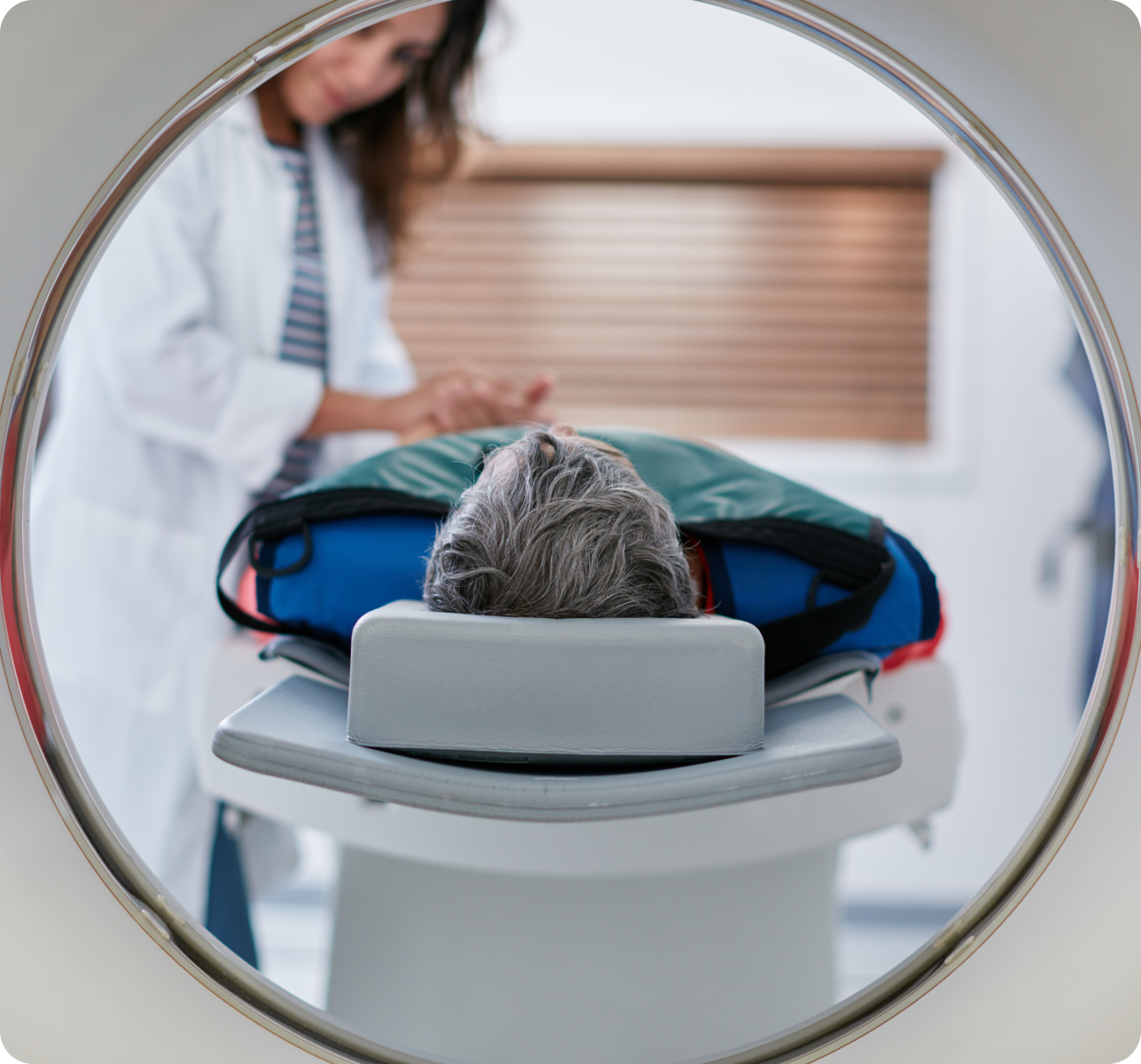
A PSMA PET scan comes first, and it decides whether treatment can go ahead. It is a sensitive test. In men being staged for prostate cancer, PSMA PET-CT was 27% more accurate than a CT and bone scan at finding cancer that had spread. If uptake is low, the therapy cannot reach enough of the cancer to help.
Who it is suitable for
- Men whose cancer has progressed after both a hormone tablet that blocks testosterone reaching the cancer (an androgen receptor pathway inhibitor) and chemotherapy from the taxane group, such as docetaxel. It is also an option where chemotherapy is not medically suitable.
- Men whose cancer has progressed after one of those hormone tablets, where it is reasonable to hold chemotherapy back for now. The MHRA authorised this earlier use in February 2026.

Access in the UK
A licence and NHS funding are two separate things. NICE reviewed the treatment for men who have already had chemotherapy and an anti-androgen, and it is not recommended for routine NHS use in that group. The earlier use authorised in February 2026 has not been appraised by NICE, so there is no routine funding route for it yet either.
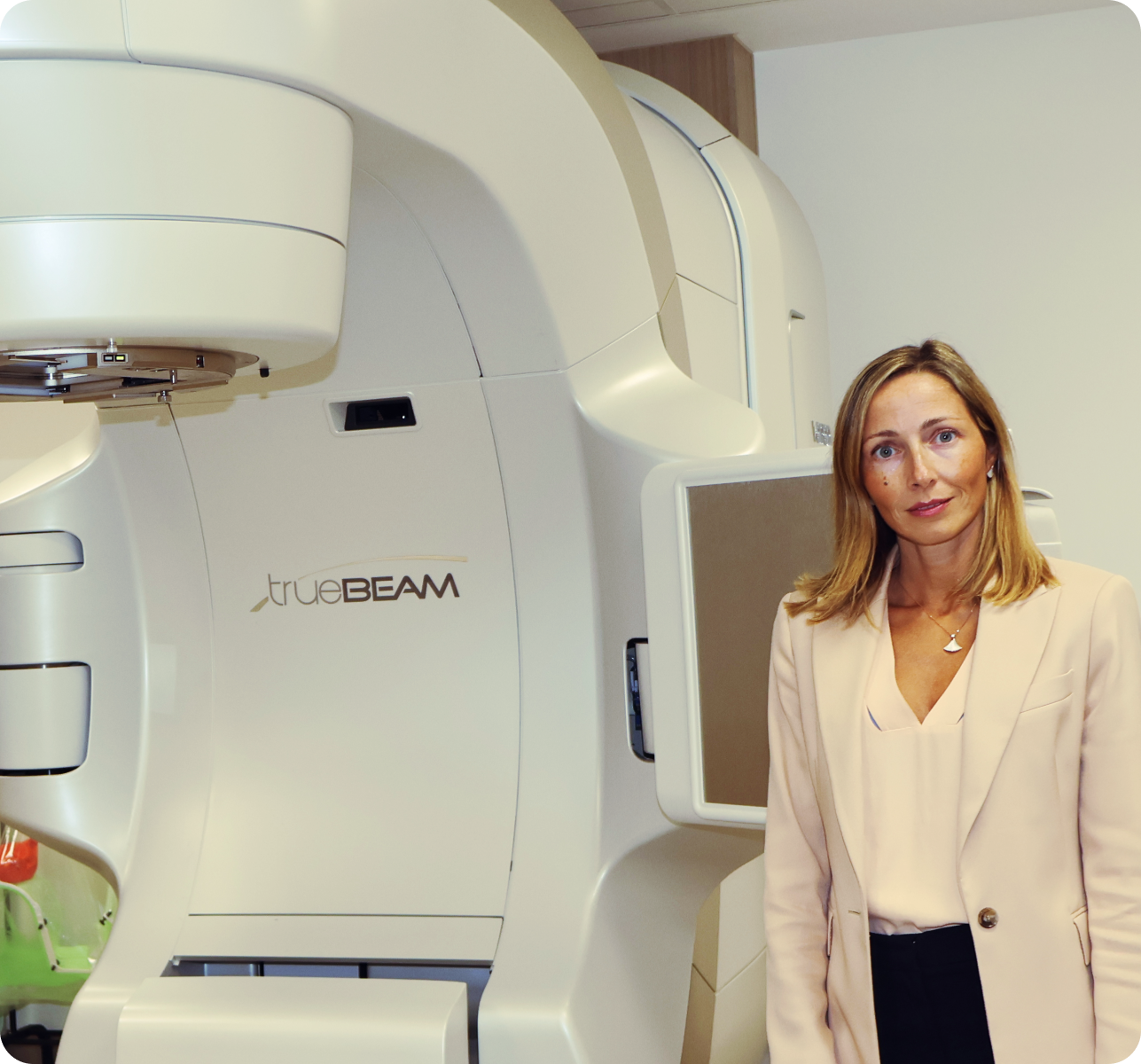
NHS access therefore depends on a clinical trial or a specific local arrangement, and Dr Perna can explain which is realistic in your case. Consultations, scan review and follow-up take place at her clinic sites. The infusion itself is given at a licensed nuclear medicine unit, and she manages the assessment, the referral and the care around it.
What the evidence shows
The PSMAfore trial compared lutetium PSMA therapy against switching to a different hormone tablet, in men who had not yet had chemotherapy.
9.3
Months before scans showed growth, on lutetium PSMA therapy
5.55
Months on the same measure, after a change of hormone tablet
468
Men enrolled in the trial
Side effects
Most men tolerate the treatment well, though side effects are common. They include:
- Tiredness, which builds over the course and settles after it finishes
- Dry mouth, because salivary glands take up some PSMA as well
- Nausea, usually mild and manageable with medication
- Lower blood counts, picked up on tests between cycles
- A short flare of bone pain after a dose in some men
Consultations and second opinions
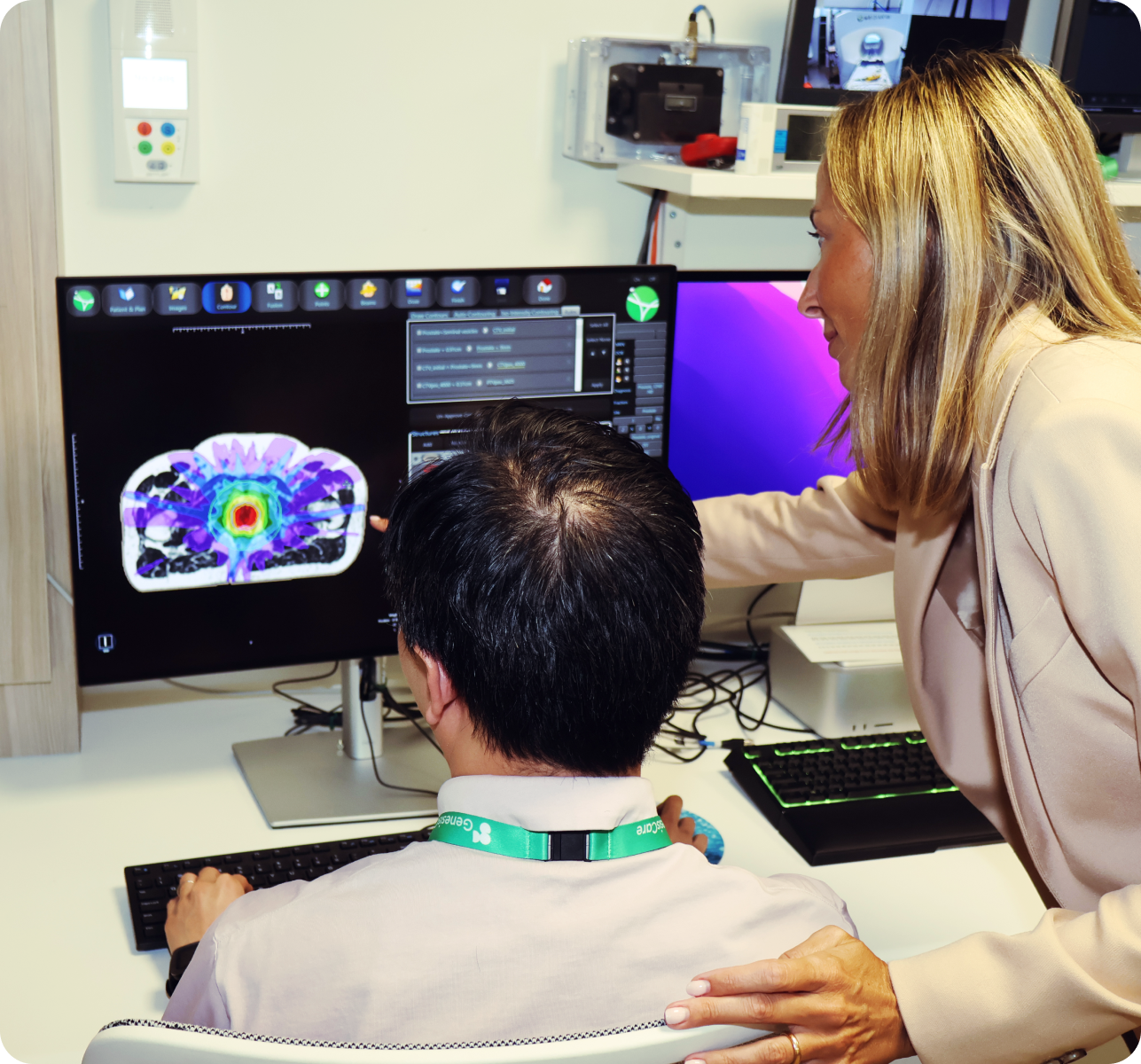
Many men come to Dr Perna having been told elsewhere that they are not suitable. Sometimes that is right, and she will say so. Sometimes the PSMA PET scan has not been done, or the picture has changed since the licence widened in February 2026.

Medically reviewed by Dr Carla Perna
Consultant Clinical Oncologist, GMC 7468952.
Last reviewed August 2026.
This page is for information and does not replace a consultation. Whether lutetium PSMA therapy is suitable depends on your scans, blood results and treatment history.


Caring for patients, trusted by patients
Every journey is personal, and we are honoured when patients choose to share theirs. From diagnosis to follow‑up, their words reflect our commitment to clear communication, compassionate support and expert cancer care.
Posted on Google
 Peter Davies
Trustindex verifies that the original source of the review is Google.
I very much appreciated Dr Perna’s friendly, very informative, and patient manner. She answered all of the wide ranging questions I had about the pros and cons of the various treatments possible, and allowed me to make an informed choice.Posted on Google Nigel CrouchI have just had my first consultation with Dr Perna, who was excellent. She put me at ease right away and then took me through everything comprehensively but also very clearly. I am extremely pleased with the outcome of the consultation and came out of the session on a real highPosted on Google
 Mike JoppI just wanted to thank Dr Perna and her team For the incredible support and care I have received in the last couple of months. Following a radical prostatectomy six years ago, I recently had biochemical recurrence which required a 20 day course of radiotherapy. Luckily, this was detected at an early stage and the prognosis is good. I have nothing but praise for the dedication and professionalism of the team at RHS Royal Surrey, They made the whole process seamless. Thank you all so much. Mike JoppPosted on Google
 Mark SmithDr Perna is great... She provides clear, professional advice and always has the patient in mind. She is in the vanguard of new treatments in her areas of expertise. I strongly recommend you talk to her and see how she can help.Posted on Google
 David MairsI have been treated by Dr Perna for several years now & have found her to be at all times professional & with empathy. I trust her judgement & feel that she has my health as her primary concern.Posted on Google
 John DownesDr Perna has been very friendly, expert medical carePosted on Google
 DykeriesExpert, straight-talking, personable, compassionate, supportive, encouraging, professional….just brilliant!
Lutetium PSMA therapy questions, answered
Can't find what you're looking for?
Is lutetium PSMA therapy available on the NHS?
NICE reviewed the treatment for men who have already had chemotherapy and a hormone-blocking tablet, and did not recommend it for routine NHS use in that group. The earlier use authorised in February 2026 has not been appraised. NHS access usually depends on a clinical trial or a specific local arrangement.
How many treatments will I need?
Up to six doses, given around six weeks apart. Not everyone completes all six, as scans and blood tests between cycles guide whether treatment continues.
Does lutetium PSMA therapy cure prostate cancer?
No. At this stage, treatment aims to control the cancer, slow its progress and ease symptoms rather than remove it. Trial results describe averages and cannot predict an individual outcome.
What happens if the PSMA PET scan shows low uptake
The treatment is unlikely to reach enough of the cancer to help, so it will not be offered. Dr Perna will move the discussion to other options, which may include chemotherapy, a different hormone approach or a clinical trial.
Can I have lutetium PSMA therapy alongside other treatments
Hormone treatment usually continues during the course. Other treatments are timed around it rather than given at the same time, so bring a full treatment history to the first appointment.
How long do the radiation precautions last
Usually a few days after each dose, with the strictest advice covering the first 48 to 72 hours. Written instructions come from the treating unit for every cycle.