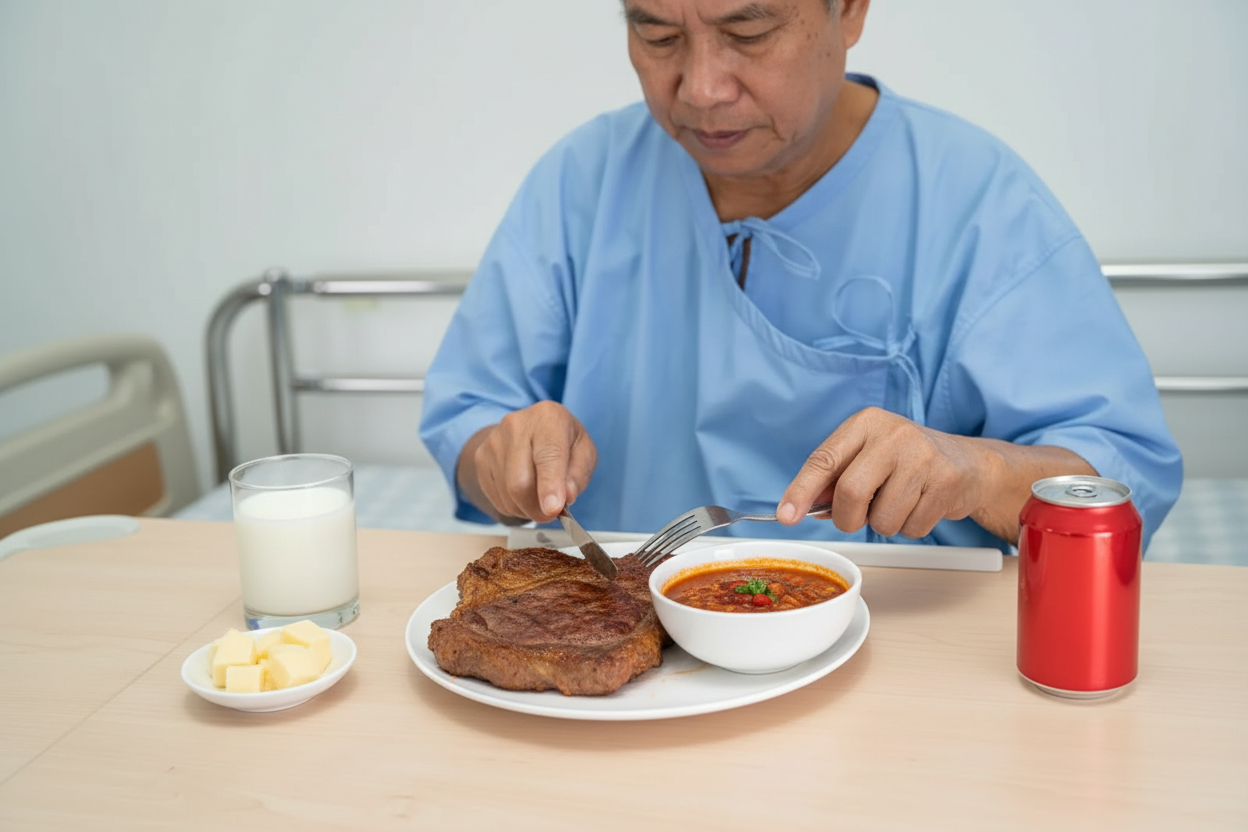
Hormone therapy for prostate cancer can cause physical, emotional, and metabolic side effects, including muscle loss, weight gain, fatigue, mood changes, and bone weakening. With early monitoring, lifestyle adjustments, and medical support, most side effects are manageable, allowing men to maintain quality of life throughout treatment.


Hormone therapy is a key treatment for prostate cancer, and understanding its impact is essential for anyone beginning this journey. Because the therapy lowers testosterone, the body can respond in several ways. Many patients want to know the side effects of hormone therapy for prostate cancer, which ones are temporary, and how to manage them effectively.
In this article, you will learn about the most common and long-term effects linked with hormone therapy. Besides, you will understand how clinicians help manage these changes so that treatment remains safe and effective. This introduction also provides a broader perspective, explaining why awareness is crucial before commencing any treatment.
Why Hormone Therapy Causes Changes
Hormone therapy reduces male hormones, especially testosterone, which prostate cancer cells rely on to grow. When testosterone levels are lowered, the body undergoes physical, emotional, and metabolic changes. While some can occur within weeks, others will develop more gradually over the course of months or years.
This approach is effective and commonly used today. But patients should be informed about all side effects of hormone therapy for prostate cancer. So they feel prepared and confident throughout the process. To provide clarity, the following sections explore the different categories of prostate cancer treatment side effects associated with hormonal therapies.
Common Sexual and Physical Changes
Changes in Sexual Function
One of the earliest signs patients notice is decreased sexual interest and desire. This link occurs because of the natural correlation between libido and testosterone within the body. When levels drop, desire often drops too. Loss of interest in sex can be unsettling, but it is a normal response. Medications, counselling, and open communication with your clinician can make this stage easier to navigate. These concerns are important to discuss early so that support can be tailored to your situation.
A related issue is erectile dysfunction after prostate cancer treatment. A person who experiences a decrease in their testosterone levels will also lose the ability to obtain or maintain an erection. However, intimacy does not have to stop, as there are many other supportive treatments available for men experiencing these types of changes. The extent or degree of these changes will vary from patient to patient. Further, improvements may occur for an extended period of time after the end of therapy and as a result of the specific type and duration of treatment.
Hot Flashes and Temperature Changes
Although there are many other types of hormone replacement therapy available, one of the most common side effects is hot flashes. During these episodes, the feeling of heat comes with sudden warmth, increased sweating or discomfort. Some men experience these episodes frequently; others experience them less often.
Lifestyle changes such as wearing breathable clothing, avoiding caffeine and identifying heat sources can help alleviate some of the symptoms. Your healthcare team can also recommend different medications that may decrease the frequency and severity of hot flashes.
Tiredness and Energy Levels
Many patients ask whether HRT makes you tired, as fatigue is such a common concern. A decrease in testosterone levels decreases the metabolic rate and alters sleep patterns, creating a state of constant fatigue. This feeling may be gradual and affect an individual’s ability to perform everyday tasks.
A combination of gentle exercise, adequate hydration, and a regular pattern of continual sleep can reduce feelings of fatigue. Additionally, many men will experience an increase in their energy level and mood through structured activity.
Breast Changes and Body Hair Reduction
There may be instances when breast swelling or tenderness is experienced from hormone therapy. This condition, known as gynecomastia, happens when hormonal balance shifts. Although harmless, it can cause discomfort or self-consciousness. Patients will probably notice diminishing amounts of body hair and a possible reduction in the size of their genitals. All of these changes will occur over time and can differ considerably from person to person.
Effects on Bone, Muscle, and Body Composition
Bone Thinning and Bone Health
Testosterone is responsible for maintaining bone density and strength. If testosterone production declines, so will bone density and strength, thereby increasing the likelihood of fractures in the future. For this reason, bone health monitoring is a critical part of hormone therapy planning.
Your doctor may recommend bone density scans, calcium-rich diets, vitamin D supplements, or medications to protect bone strength. These steps help reduce the likelihood of osteoporosis, especially during extended treatment periods. As the duration of therapy increases, so does the severity of bone-related concerns. This is why regular follow-up is essential.
Changes in Muscle and Fat Distribution
Men undergoing hormone therapy may have a decreased amount of muscle. Tasks that seem minor, such as lifting groceries or climbing stairs, may require more effort than usual. This happens because testosterone supports muscle growth and maintenance.
Alongside this, increased body fat and weight gain are also common. Many patients observe more fat around the abdomen. Incorporating resistance exercises and balanced meals can help minimise these changes. Regular movement is one of the most effective ways to maintain strength and reduce weight gain during treatment.
Long-term Physical Changes
Some patients experience more persistent changes related to prolonged testosterone suppression. These long-term side effects of hormone treatment for prostate cancer may include ongoing bone weakening or metabolic changes that affect cholesterol and blood sugar levels.
With the assistance of the health care team, men can recognise signs at the earliest possible moment and take appropriate action.
Digestive and Emotional Side Effects
Digestive Symptoms
Nausea or diarrhoea can occur in some men receiving hormone therapy. These digestive changes usually appear early in treatment or when medication types are adjusted. They may settle with time or respond well to dietary changes.
It is helpful to eat small meals, stay hydrated, and avoid foods that irritate the stomach. Medication can also reduce symptoms when needed.
Mood and Cognitive Changes
Some men feel more emotional or irritable due to hormonal shifts. Patients often describe experiencing an increased sense of anxiety or chronic low mood. Patients may find supportive counselling or medications helpful in alleviating their symptoms.
Problems with memory and concentration may also occur. Creating lists, setting reminders, and breaking tasks down into smaller steps may help people manage these changes.
Although these effects can be distressing, they are usually manageable through adequate support.
Sleep and Blood-related Effects
When hot flashes or anxiety occur at night, disrupted or erratic sleep patterns may develop. In addition to relaxation techniques, maintaining healthy sleep hygiene is beneficial in these instances.
Mild anaemia, or lower red blood cell levels, may also develop. These sleep pattern disturbances can lead to fatigue. Regular blood tests will help monitor these changes and allow for treatment adjustments.
Less Common or Medication-specific Reactions
Medication-dependent Side Effects
The new anti-androgens, in particular, have very specific reactions based on the way they are made. Patients may experience diarrhoea, skin rashes, or occasionally dizziness. A few medications can affect the central nervous system and may cause seizures in rare situations.
One type of anti-androgen has been shown to increase the risk of fracture. This again emphasises the importance of being proactive with regard to bone health.
Understanding the possibilities will help patients identify these symptoms early and report them as soon as possible.
Increased Risk of Heart-related Problems
Men on hormone therapy do have a slightly elevated risk of developing heart problems. It is especially for those who already have underlying heart disease or risk factors such as high blood pressure, smoking or diabetes.
Your medical team will check your cardiovascular health before treatment and continue monitoring during therapy. Healthy lifestyle choices, regular exercise, and managing blood pressure or cholesterol play a significant role in lowering this risk.
Other Potential Reactions
Some men report memory issues, sleep disturbances, or mild anaemia as part of their experience. Again, these often vary depending on the individual and the medication type. Early reporting allows your clinician to recommend solutions that improve comfort and quality of life.
Understanding Hormone Therapy in the NHS Context
Patients often want clear information on hormone treatment for prostate cancer, including NHS side effects. NHS guidelines place strong emphasis on safety monitoring, bone protection, and cardiovascular checks. Support services can include dieticians, physiotherapists, counsellors, and specialist nurses who help manage day-to-day concerns throughout the treatment period. Hormone therapy is often used alongside external beam radiotherapy depending on disease stage.
These resources aim to make therapy safer and more manageable over the long term.
Other Hormone-based Treatments
Some patients compare hormonal cancer treatments with other hormone-related therapies. In discussions about men receiving testosterone suppression, people may refer to wider topics, such as the side effects of hormone replacement therapy, in general. Although the mechanisms differ, this comparison highlights how powerful hormonal changes can be throughout the body.
Having a broader understanding of how hormones interact with each other will help men plan for the physical and emotional adjustments more clearly.
Hormone therapy is just one of several prostate cancer treatment options that may be discussed with your clinical team.
What You Can Do to Manage Side Effects
To effectively manage symptoms, clear communication should occur between the patient and the clinical team. Early reporting of any concerns allows the healthcare provider to offer medication or lifestyle options that will benefit the patient.
Helpful steps include:
- Seeking emotional support when needed
- Using memory aids like notes or reminders
- Eating balanced meals to support energy levels
- Staying active to preserve muscle and bone strength
- Asking about bone scans or supplements if recommended
- Speaking openly about hot flashes, fatigue, or sexual changes
These approaches will enhance one’s quality of life while supporting the efficacy of treatment.
Winding Up
Familiarising oneself with all aspects of hormone therapy will enable patients to navigate their treatment smoothly. Most of the side effects of hormone therapy for prostate cancer can be managed effectively through a combination of appropriate support, monitoring and adapting one’s lifestyle. Knowing what to expect gives you greater confidence and helps you stay engaged in your care plan.
If you have concerns or want personalised advice, book a consultation with Dr Carla Perna to learn more about your treatment options and ways to manage side effects safely and effectively.