External beam radiotherapy is a highly effective, non-invasive treatment for prostate cancer with excellent long-term control rates. While erectile dysfunction can occur months or years after treatment, it differs from general urological ED and is often manageable with early rehabilitation, medication, and specialist-guided support.

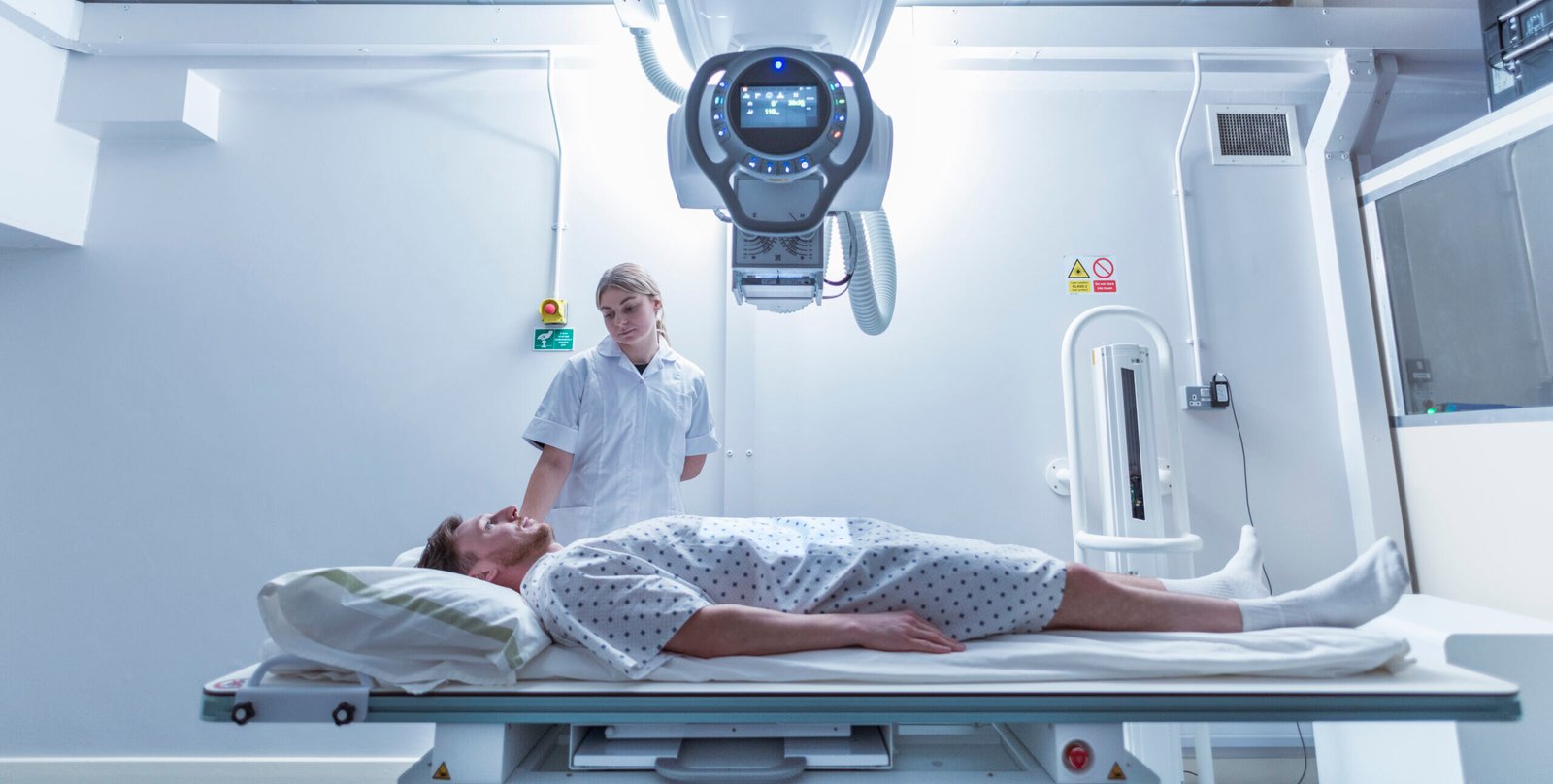
External radiation therapy is among the most potent and widely used therapies for prostate cancer. High-energy X-rays are utilised in this therapy to kill cancer cells with minimal damage to healthy tissue. In many men, this therapy provides excellent control of cancer and survival over the long term.
Nonetheless, as is the case with any treatment for prostate cancer, there are side effects, and one of the most touchy subjects is erectile dysfunction (ED). Having knowledge of why ED happens after radiotherapy and how it is distinct from other urologic causes makes it easier for patients to prepare, recover, and be confident in their sexuality.
What Is External Radiotherapy?
External beam radiation for prostate cancer involves a non-surgical procedure in which beams of radiation are emitted from outside the body to the prostate. The beams are precisely shaped and focused by computer-controlled systems.
This procedure is performed using advanced technology, such as linear accelerator machines. These devices produce and concentrate accurate doses of radiation onto the cancer target, reducing exposure to surrounding organs such as the bladder and rectum.
The goal is simple: to destroy cancer cells and stop them from dividing, while maintaining urinary, bowel, and sexual function as much as possible.
How External Radiotherapy Works
To understand how a radiotherapy machine works, it helps to know a little about the technology behind it. A machine delivers controlled amounts of radiation to the tumour using radiotherapy (linear accelerator). The machine revolves around the body, allowing the physician to treat in a variety of directions, optimising precision and limiting damage to normal tissue.
In essence, a radiotherapy machine works by targeted delivery: it deposits energy that damages the DNA of cancer cells, preventing them from repairing or reproducing. Over time, these defective cells will break down and die, as the body normally eliminates them.
Types of Radiotherapy
There are several types of radiation therapy used in prostate cancer, with differences based on the level of cancer and individual-specific medical needs. These include:
1. External Beam Radiation Therapy (EBRT)
- LINAC radiotherapy with intensity-modulated radiotherapy (IMRT) that can be delivered also in fewer fractions with high intensity (Stereotactic body radiotherapy, SBRT)
- MRI-guided radiation therapy with real-time imaging with MRI during treatment to monitor the location of the prostate. Since the prostate position can move slightly due to rectum and bladder different volumes, MRI guidance ensures that physicians make minor adjustments for accuracy. This technique is used mainly for SBRT by delivering high dose of radiation to the target and limit the side effects to the near organs.
2. Brachytherapy (Internal Radiation)
- Involves placing permanent radioactive seeds inside the prostate itself (low dose rate or LDR) or inserting catheter to guide the radiation in the prostate, they can then be removed after treatment which usually takes 2 hours (high dose rate or HDR)
- This can be used alone in low and intermediate risk prostate cancer, or with EBRT for better control in high-risk disease.
Dr Carla Perna delivers modern external radiation therapy using high-quality linear accelerators and advanced imaging technology, ensuring precision, safety, and optimal cancer control.
Who Needs External Radiotherapy
External beam radiation for prostate cancer can be used for:
- Men who have localised or locally advanced prostate cancer.
- Men who require further therapy after prostate surgery to kill any remaining cancer cells (salvage radiotherapy).
Radiotherapy can also be applied for symptom relief in advanced stages, easing bone metastasis or urinary blockage pain. Your oncologist and urologist will decide the best course of action based on your PSA score, cancer grade, and your overall health condition.
During External Radiotherapy Treatment
The duration of each session of external beam radiation therapy for prostate cancer lasts around 10 – 15 minutes. The procedure is not painful and feels like having a scan. Before the first session, imaging scans (CT or MRI) are performed to create a customised treatment plan. This ensures the exact dose reaches the prostate with millimetre accuracy.
During the session:
- You will be positioned on a treatment couch.
- The machine that delivers radiotherapy circles around but never touches you.
Treatment is typically administered five days a week for a number of weeks, depending on your regimen. Patients can go home immediately after each session and continue their everyday routines.
Side Effects and Management
Like all treatments, external beam radiotherapy for prostate cancer may cause temporary side effects. These can vary from one person to another and depend on the radiation dose, age, and general health.
Short-term effects are commonly:
- Tiredness or mild fatigue
- Frequent urination or a mild burning
- Mild bowel alterations such as looseness or urgency
Most symptoms resolve in a matter of weeks after finishing therapy.
Managing Erectile Dysfunction After Radiotherapy
One of the most talked-about long-term side effects of external radiation therapy is erectile dysfunction (ED). It could be due to changes in blood vessels or nerves near the prostate that control erections. It should be noted that erectile dysfunction after radiotherapy is different from generalised urological ED due to stress, obesity, or cardiovascular disease.
Oncology-induced ED occurs slowly over months or years as the effects of radiation damage tiny blood vessels and nerves. The severity depends on:
- Radiation dose and precision
- Use of concurrent hormone therapy
- Age and baseline erectile function before treatment
Recovery and management options:
- Medications (PDE5 inhibitors), such as sildenafil or tadalafil, can help restore erections.
- Vacuum erection devices encourage natural blood flow.
- Early use of penile rehabilitation aids after radiotherapy improves long-term recovery.
- Emotional counselling and support, such as frank discussions with your doctor and partner, are important.
Improvement is often seen in 6 – 18 months after treatment. ED due to external beam radiation therapy for prostate cancer is usually controllable and improves over time in most individuals.
Your physician will also distinguish if your ED is caused by oncology-related factors (nerve or vascular damage due to radiotherapy) or overall urological factors (hormonal disorder, cardiovascular disease, etc.). This will allow you to get specific treatment and assurance that you can recover.
Results of External Radiotherapy
External beam radiation for prostate cancer provides excellent results in the majority of men. The series demonstrates comparable long-term control rates with surgery when it is appropriately planned and delivered. With this, follow-up is essential to monitor progress. PSA levels are closely monitored, with imaging performed when necessary. Many patients benefit from the fact that radiotherapy is non-invasive, does not require surgical incisions, allows rapid recovery, and causes minimal interference with daily life.
Finishing Up
External radiation therapy offers men with prostate cancer a proven, effective, and non-invasive treatment option. With advanced radiotherapy and MRI-guided precision, outcomes continue to improve, balancing cancer control with quality of life.
Erectile dysfunction, while a possible side effect, can be effectively managed with early intervention, medical support, and open communication. The key is understanding that oncology-related ED differs from general urological problems, and both are treatable with modern therapies.
If you’ve been diagnosed with prostate cancer or are exploring treatment options, consult with Dr Carla Perna, a specialist in urological cancers. Our experience guarantees tailored care that aims not just at cancer treatment but also at maintaining your confidence, intimacy, and overall well-being.