Chemotherapy for prostate cancer is a treatment option that uses medicines to destroy cancer cells or slow their growth when the disease has progressed beyond the prostate. It is usually considered in cases where the other treatment has not been effective, or the cancer has extended to other body parts. Learning the mechanism of this treatment can enable patients to make wise choices regarding their treatment.

You will find out in this article when you should take chemotherapy, how it works, what you should expect during treatment, and how to control side effects. It also explains how chemotherapy fits into the broader treatment plan for prostate cancer.
Understanding Chemotherapy in Prostate Cancer Treatment
Chemotherapy is effective in attacking the fast-spreading cancer cells in the body. It is a systemic mode of delivery, which goes through the blood system to hit the cancer wherever it is placed.
It is not the initial treatment offered to the majority of patients, as prostate cancer usually responds to hormone therapy in the first place. Nonetheless, it emerges as a major alternative when the disease becomes more aggressive or unresponsive to other treatments.
Doctors consider chemotherapy as part of a wider plan for treatment for prostate cancer. Depending on the patient’s stage, this may also include hormone therapy, targeted treatments, or supportive care. The decision will be based on the cancer stage, general health, and the best course of action recommended by your oncologist. As a cancer patient, your oncologist becomes a trusted partner on your journey, helping you navigate treatment options, understand their benefits, and weigh any risks or other important factors to consider.
When Is Chemotherapy Used for Prostate Cancer?
Chemotherapy is usually recommended in specific situations where the cancer requires more intensive control, and understanding when it is used for prostate cancer helps patients recognise why their doctor may suggest this treatment.
It is normally applied when prostate cancer has spread outside the prostate gland or when hormone treatment is not effective. In other cases, it can also be initiated at an earlier stage in the treatment of patients with high-risk disease.
1. Advanced Prostate Cancer
Chemotherapy for advanced prostate cancer is typically considered when the disease has grown significantly or returned after initial treatment. The goal is to delay disease progression and improve quality of life. This approach can help manage symptoms, reduce tumour activity, and support overall well-being during later stages of treatment.
2. Metastatic Prostate Cancer
On the same note, chemotherapy for metastatic prostate cancer is used when the cancer has already spread to other parts of the body, such as the bones or lymph nodes. Treatment helps control symptoms and reduce complications related to tumour growth. It may also slow disease progression and support a better quality of life by helping manage pain and other cancer-related effects.
3. Hormone-Resistant Prostate Cancer
Chemotherapy may be recommended when prostate cancer becomes hormone-resistant. It implies that the disease persists even with treatments that reduce the levels of testosterone. In these instances, chemotherapy is used to slow the development of cancer and allows the disease to be better controlled, where hormone therapy is no longer effective.
4. Symptom Management
Chemotherapy also plays the role of alleviating the symptoms of the advanced prostate cancer, such as bone pain, fatigue, and discomfort in the presence of tumour growth. Treatment can enhance the quality of life and comfort during daily activities by suppressing the growth of cancer.
Do You Need Chemotherapy for Prostate Cancer?
Most patients would question whether chemotherapy is necessary for their condition. The response will vary depending on the cancer stage, prior therapies, and progression of the disease. Physicians consider every case carefully and then prescribe treatment.
This treatment will not be needed by all patients, and early prostate cancer is usually treated either through surgery, radiotherapy or observation. Understanding whether you need chemotherapy for prostate cancer can help you discuss treatment options and expectations clearly with your specialist.
The decision is based on your overall health, the potential benefits of treatment, and its impact on your daily life, with you and your doctor working together through shared decision-making to choose the most appropriate approach.
Goals of Chemotherapy Treatment
Chemotherapy is not always aimed at curing prostate cancer, especially at advanced stages. Instead, it focuses on controlling the disease and improving well-being.
The key aims include:
- Extending survival
- Reducing tumour size
- Improving quality of life
- Relieving symptoms such as pain
- Slowing or stopping cancer growth
Doctors often describe chemotherapy for prostate cancer as a way to manage the condition effectively while maintaining comfort and daily function.
How Chemotherapy Is Given
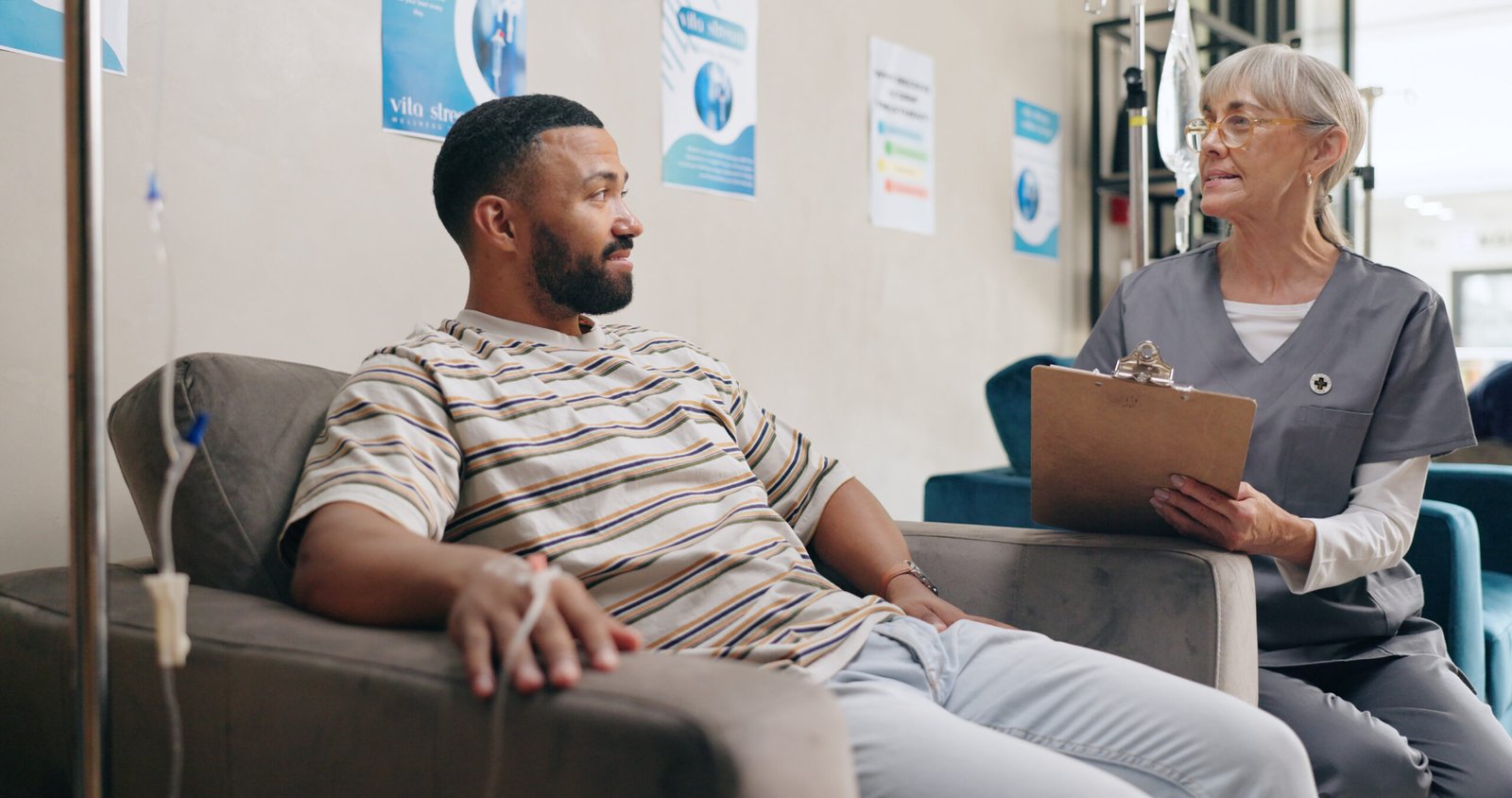
Chemotherapy is typically infused in the hospital or specialised clinic via intravenous infusions. The treatment is given in phases, and the body rests in between.
With ongoing developments in treatment, it is natural to wonder whether chemo pills for prostate cancer can be used. In most cases, oral medicines are not the standard form of chemotherapy, and your doctor will guide you towards the approach best suited to your condition.
The number of treatment cycles varies from person to person. Patients always have questions about how long chemotherapy lasts in the body. In addition, although the medicines take only a few days to be processed, their effects on the cancerous cells and the immune system might extend.
What to Expect During Treatment
Chemotherapy schedules differ depending on the treatment plan, but most patients attend regular appointments for monitoring and assessment. Blood tests, imaging, and symptom reviews help doctors evaluate progress.
A medical team comprising oncologists, nurses, and support specialists closely supervises the treatment to ensure the therapy remains effective while side effects are managed safely.
Adjustments allow many patients to resume normal activities, but energy levels and physical comfort can change throughout treatment cycles.
Common Side Effects and Supportive Care
Chemotherapy also impacts cancer cells and some healthy cells, and hence may cause side effects. Modern supportive care has, however, made great improvements in the management of these effects.
The most common side effects include:
- Fatigue
- Hair thinning or loss
- Changes in bowel habits
- Increased risk of infection
- Nausea or reduced appetite
Not everyone experiences all side effects, and their severity varies. Physicians offer drugs, dietary guidance, and supportive treatments to contribute to the effective management of symptoms.
Patients are advised to express themselves freely on any issues to facilitate timely changes. Most of the side effects are short-term and can be controlled with proper care.
Chemotherapy as Part of a Wider Treatment Plan
Chemotherapy is hardly done alone. It is generally a part of an overall care approach that might comprise hormone treatment, specific therapies, and supportive interventions.
It may be introduced after hormone therapy stops working or alongside newer systemic treatments. The aim is to provide the most effective disease control while maintaining quality of life.
The treatment plans are individually designed based on the cancer stage, symptoms, and patient preferences. This practise will help make treatment personal and responsive during the care process.
Living Well During Chemotherapy
Chemotherapy patients should adopt a healthy lifestyle to aid in recovery and resiliency. A balanced diet, light exercises, and emotional comforts can help a lot.
Medical staff tend to offer advice on how to deal with fatigue, how to stay strong and how to handle emotional difficulties. Patients may also find it easier to cope with the experience through family support and counselling services.
Open communication with the care team ensures concerns are addressed early and treatment follows the most appropriate approach for each patient’s condition and cancer stage.
Winding Up
Chemotherapy for prostate cancer plays an important role in managing advanced or treatment-resistant disease. It slows cancer growth, relieves symptoms, and improves quality of life. While it is not required for every patient, it can be a valuable option within a personalised treatment plan supported by careful monitoring and modern supportive care.
If you or a loved one has been advised to consider chemotherapy for prostate cancer, speaking with a specialist can help you understand the benefits, risks, and available options. A personalised consultation with Dr Carla Perna can guide you towards informed and confident treatment decisions. She provides access to a range of advanced treatment (brachytherapy, chemotherapy, external beam radiotherapy, hormone therapy, lutetium psma therapy, MRI-guided treatment, stereotactic radiotherapy, targeted therapy) options and will recommend the most appropriate approach based on each patient’s condition, cancer stage, and overall health.