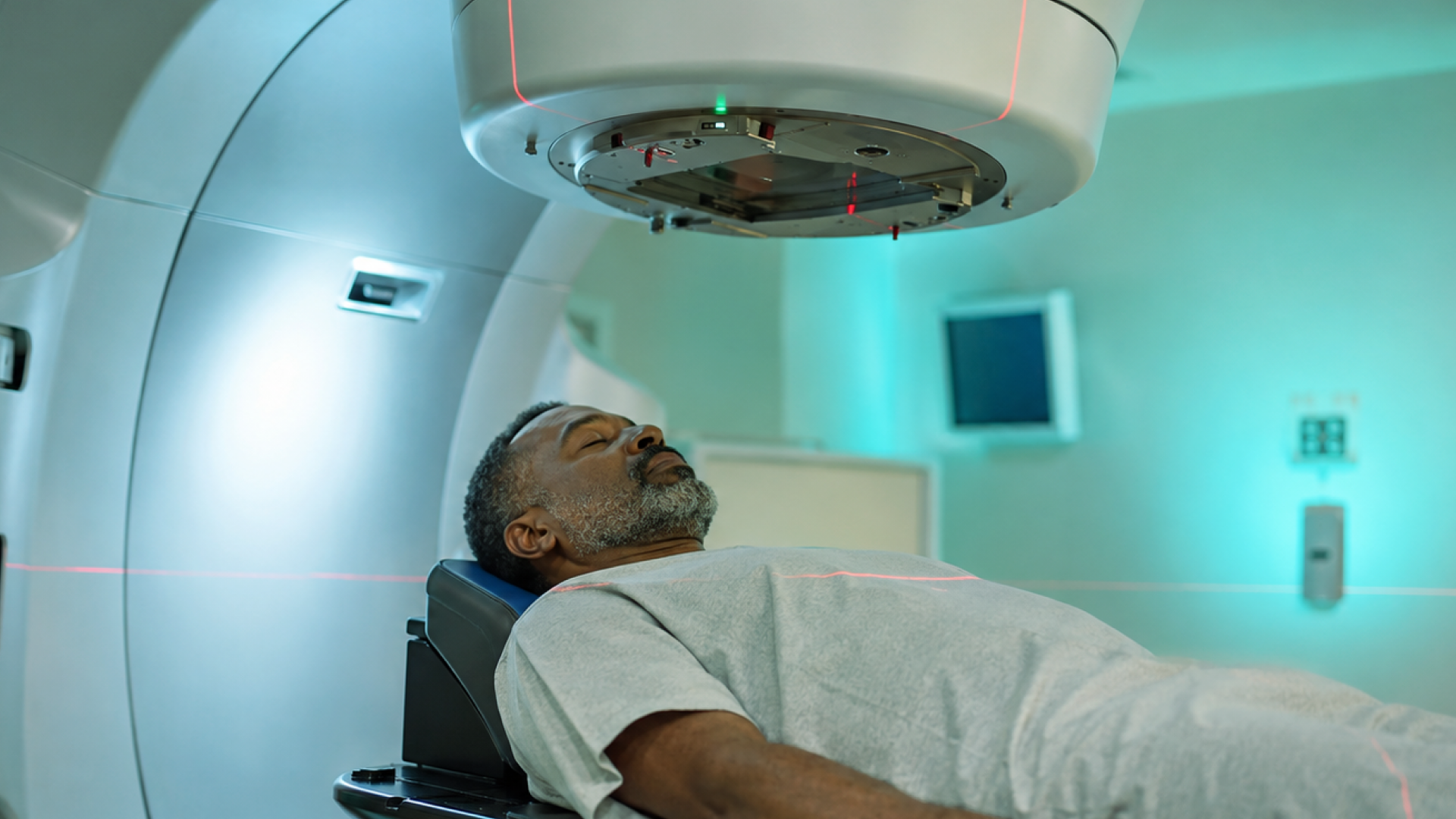
Prostate cancer treatment can impact more than just survival—it can affect urinary control, sexual health, and overall quality of life. This article explores common side effects, why personalised treatment decisions matter, and how open conversations can help men feel more confident about their care.


Reporting from the ASCO GU conference in San Francisco, one of the world’s major meetings for urological cancers, Dr Carla Perna reflects on a powerful talk given by a man diagnosed with prostate cancer in his early 50s. Hearing his story highlighted not just the medical side of treatment, but the emotional impact of how side effects are discussed and managed.
For most men, the first priority is clear: they want their cancer cured. At the same time, there is a major concern about what life will look like after treatment, especially around urinary control and sexual function. These worries can heavily affect mental health, relationships and day‑to‑day confidence.
The Side Effects Patients Fear Most
When choosing between treatments such as surgery or radiotherapy, conversations usually focus on cure rates and practicalities like how long treatment will take. Side effects are discussed, but often in a way that feels abstract or technical.
For many men, two areas stand out:
- Urinary function – worries about incontinence and whether they might need to wear pads or nappies long‑term.
- Sexual life – fears about erections, libido and the impact on intimacy.
Sexual health, in particular, is still treated as a bit of a taboo. Men often feel embarrassed or unsure whether it is acceptable to bring this up in a cancer consultation, even though it is a real and important part of life.
Why Personalised Treatment Matters
The patient speaker at ASCO GU made one point very clearly: what patients really want is personalised treatment. Of course, they hope for the best possible chance of curing the cancer, but they also want side effects they can live with and manage in the context of their own lives.
Every treatment for prostate cancer carries some risk of side effects. There is no completely side‑effect‑free option. The key is to focus on what is most important for each individual patient at that particular moment in their life. For some, preserving urinary control may be the top priority; for others, protecting sexual function may matter just as much.
When doctors take the time to explore these priorities, it helps patients make choices they understand and feel more at peace with, even if side effects do occur. This can significantly improve acceptance and reduce the emotional burden later on.
Looking Beyond Cure Rates
Clinicians are trained to think in terms of survival statistics, scan results and treatment techniques. But as the discussions at ASCO GU show, high‑quality prostate cancer care is not only about choosing between different operations, drugs or radiotherapy technologies.
It is also about:
- Listening carefully to what patients fear most.
- Being honest that side effects are possible or likely.
- Working together to choose an option where the potential side effects are those a particular patient feels better able to cope with.
This shift in focus—from “Which treatment is best on paper?” to “Which treatment fits this person’s life best?”—is at the heart of truly personalised medicine.
Supporting Mental Health and Quality of Life
The threat of incontinence or sexual problems can be deeply upsetting, especially for younger men diagnosed in their 40s or 50s. Even when treatment is medically successful, these side effects can affect confidence, identity and relationships.
Recognising this, more of the conversation at international meetings is now about mental health, quality of life and survivorship. It is encouraging to see that large conferences are not only focused on new drugs or surgical techniques, but also on what patients truly need from their care team: honest information, space to talk about sensitive topics, and support in choosing the path that best matches their values.
What This Means for Patients
If you have been diagnosed with prostate cancer, it is entirely appropriate to ask about how each treatment might affect your urinary function, your sex life and your day‑to‑day well‑being—not just your scans and blood tests. Asking these questions can help you and your team find an approach where the expected side effects feel more manageable for you personally.
Dr Carla Perna’s goal, shared by many specialists worldwide, is not only to treat the cancer, but to maximise the functions that matter most to you and support your quality of life in the years after treatment.