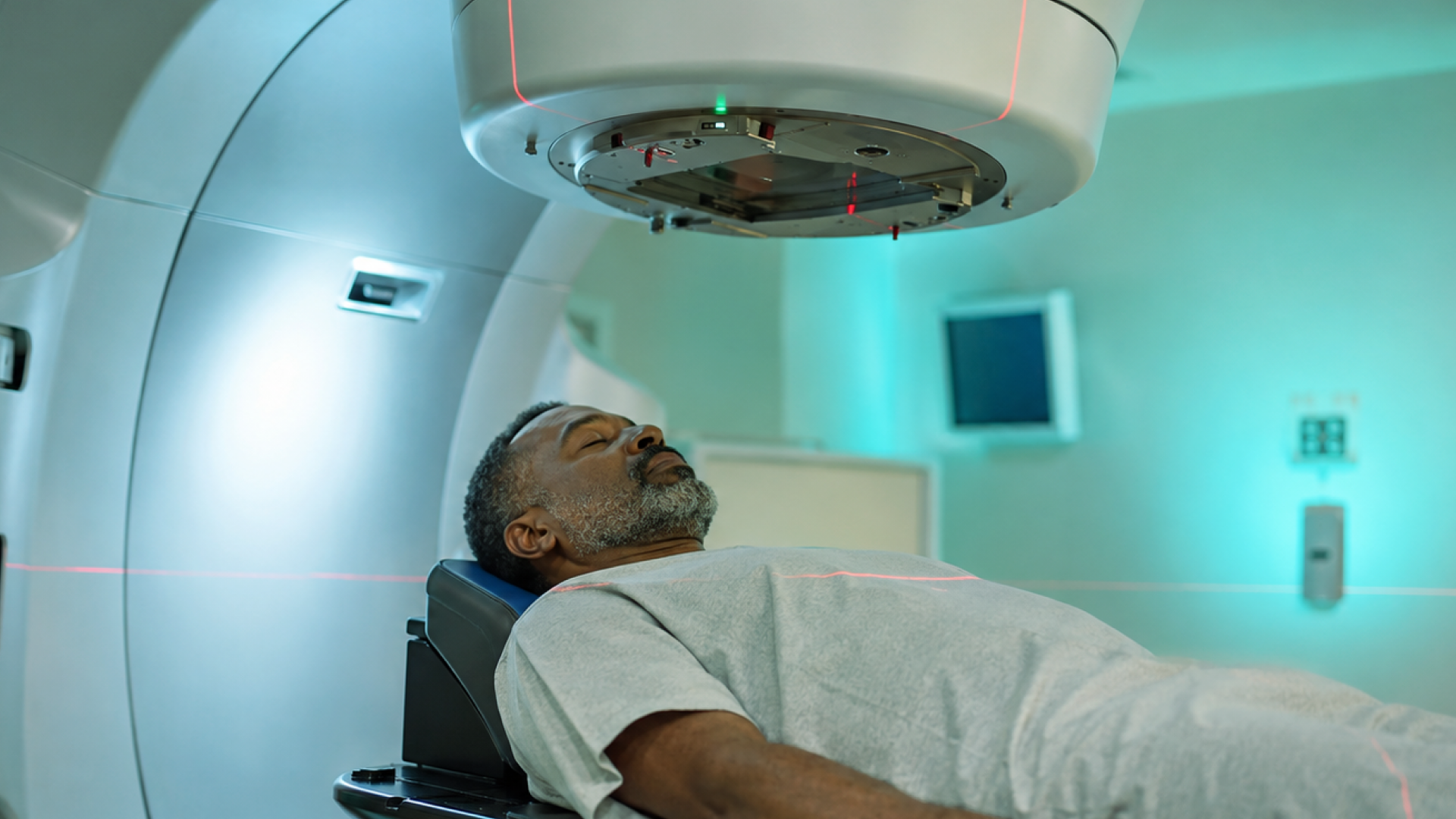
Radiotherapy for prostate cancer can stress the digestive and urinary systems, making diet an important part of treatment. Avoiding foods that trigger irritation while focusing on hydration and gentle, nourishing meals can help reduce side effects, support healing, and make treatment more comfortable and manageable.


Radiotherapy is a highly effective treatment for prostate cancer. Yet, it can place temporary stress on the digestive and urinary systems. In this period, what you eat will make or break your body’s ability to endure the treatment, or even make the side effects more difficult to handle. That is why it is so important to know what kinds of foods to avoid during radiation therapy.
In this article, you will find out what foods and beverages can aggravate the side effects of radiotherapy and what foods can be used to encourage comfort and healing. The idea is to make you feel more informed, ready and confident when receiving treatment.
Why Diet Matters During Prostate Cancer Radiotherapy
Diet has a direct relationship with the tolerance of radiotherapy. Certain foods can worsen bowel, bladder, and fatigue-related side effects. Making informed dietary choices can help you stay more comfortable throughout treatment.
How Radiotherapy Affects Digestion and Bowel Function
Radiotherapy to the prostate cancer passes close to the bowel and rectum, which can lead to irritation of the digestive lining. This can lead to loose stool, bloating, urgency, or rectal discomfort, especially during treatment. These effects can be alleviated by a well-thought-out prostate cancer diet that will not strain the digestive system.
Supporting Your Body While Tissues Heal
Radiation also increases the body’s energy requirements as healthy tissues strive to maintain themselves. Unhealthy nutrition may contribute to more inflammation, more fatigue, or bowel inflammation. Adjusting what you eat during treatment can support healing while helping you maintain strength and hydration.
Foods and Drinks to Limit or Avoid During Treatment
Some foods place extra strain on the digestive system during radiotherapy. These products can enhance inflammation, irritation, or exhaustion. Limiting trigger foods can make daily treatment more manageable.
1. Alcohol
Alcohol may cause irritation of the bladder as well as the bowel, which may already be sensitive during radiotherapy. It may also aggravate dehydration and fatigue and complicate your body’s ability to regain energy between sessions.
It is usually only advised to limit or avoid alcohol during treatment. In case you want to drink, talk to your team of care about safe limits.
2. Processed and Sugary Foods
A balanced diet for prostate cancer is based on a balanced diet. It emphasises gradual energy and slow digestion, rather than fast sugar surges. Most processed foods are unhealthy, low in nutritional value, and rich in processed sugars or unhealthy fats. These foods may be the cause of inflammation and changes in energy levels. Examples to limit include:
- Pastries and cakes
- Sugary drinks and sweets
- White bread and packaged snacks
Frequent consumption of these foods may further worsen bowel sensitivity during radiotherapy. In turn, this makes symptoms such as bloating or loose stools more difficult to manage.
3. Excessive Red and Processed Meats
Eating large amounts of red or processed meat may increase inflammation in the body. This may cause unwarranted stress to tissues that are already sensitive during radiotherapy. Try to limit foods such as:
- Large amounts of beef or lamb.
- Sausages, bacon and cured meats.
Usually, lean proteins such as fish, poultry, and eggs, or vegetarian options, are easier to digest.
4. Spicy and Acidic Foods
Spicy and acidic meals may irritate the bowel and urinary tract, especially when radiotherapy is inducing digestive discomfort. Some people notice worsening symptoms after consuming these foods. Avoiding these foods can be an important part of knowing what not to do during radiation treatment when bowel or bladder symptoms appear. Items that may cause irritation include:
- Raw onions and garlic
- Chillies and hot sauces
- Citrus fruits and vinegar
- Tomatoes and tomato-based products
Reducing these foods during treatment may help lessen irritation, urgency, and discomfort, especially when bowel or urinary symptoms are already present.
5. Fatty and Fried Foods
Fatty foods are more difficult to digest and may also make the digestive system’s movement faster. Fried foods can additionally cause nausea or stomachache. Examples include:
- Fast food meals
- Deep-fried foods
- Cream-heavy dishes
Reducing fatty foods is one of the practical things to avoid during radiation therapy to help keep digestion more settled.
6. High-gas Foods During Pelvic Radiation
Certain vegetables and legumes naturally produce gas during digestion. When the pelvic area is being treated, this gas can increase bloating and discomfort. Foods that may cause issues include:
- Beans and lentils
- Broccoli and cauliflower
- Cabbage and Brussels sprouts
Not everyone reacts the same way, but reducing these foods may help ease pressure and cramping.
7. Caffeine From Coffee and Tea
Caffeine can irritate the bladder and contribute to dehydration. During prostate radiotherapy, this may increase urinary urgency or discomfort. Limiting coffee and strong tea may help if you notice symptoms worsening. Water or caffeine-free herbal teas are usually gentler alternatives.
8. Unpasteurised Dairy and Raw Foods
Radiotherapy can temporarily affect immune function, increasing susceptibility to infection. For this reason, it is best to avoid unpasteurised dairy products and raw or undercooked foods. This precaution is often misunderstood as a list of so-called radioactive foods to avoid. But the real concern is food safety rather than radiation exposure. Foods to avoid include:
- Raw oysters or seafood
- Rare or undercooked meats
- Unpasteurised milk and cheeses
Following basic food safety precautions during radiotherapy helps reduce the risk of infection at a time when the body’s defences may be temporarily lowered.
Managing Radiation-Related Bowel Conditions
During prostate radiotherapy, bowel symptoms are frequent as a result of exposure of adjacent tissues. Dietary changes can help reduce irritation and urgency. Understanding food triggers allows earlier symptom control.
Understanding Radiation Proctitis
Radiation proctitis occurs when the lining of the rectum becomes inflamed due to radiation exposure. They can bring about symptoms such as pain in the rectum, bleeding, discharge of mucus or urgency of bowel. Dietary adjustments can play a supportive role in symptom control. This is especially in the identification of foods to avoid with radiation proctitis that could worsen inflammation or bowel movements.
Gentle Eating During Symptom Flares
During periods of irritation, simple and low-fibre foods may be easier to tolerate. Discomfort can be reduced by avoiding trigger foods and by consuming small, more frequent meals. Temporary nutritional interventions may be suggested to your care team until the symptoms resolve.
What to Focus On Instead
Avoidance alone is not enough during treatment. The right nutrition can positively contribute to recovery and vigour. Easy-to-digest foods are simple and nourishing.
Whole and Minimally Processed Foods
Whole foods are sources of nutrients vital to the healing process and energy. Such foods tend to be easier for the body to utilise and less likely to cause digestive issues. Helpful choices include:
- Whole grains (e.g. oats or rice)
- Cooked vegetables and tender fruits
- Fish, chicken or tofu are lean proteins
Bland and Soft Foods When Digestion is Sensitive
In case of difficulty in swallowing or digestion, harder foods can lessen the irritation. Such foods are easier to digest and may alleviate bowel symptoms. Examples include:
- Mashed potatoes
- Oatmeal or porridge
- Well-cooked pasta or rice
- Staying Well Hydrated
Staying Well Hydrated
Proper hydration helps the kidneys work, the bowel stay healthy, and the body in general remain healthy during radiotherapy. Urinary irritation can also be reduced by drinking sufficient fluids. Aim for:
- Water throughout the day
- Caffeine-free herbal teas.
- Diluted fruit juices in case of tolerance.
It is worth knowing what to avoid during radiation therapy. However, hydration remains one of the most beneficial steps you can take.
Personalised Dietary Guidance Matters
Nutritional needs can shift as treatment progresses. Symptoms may change week to week. Personalised advice ensures your diet remains supportive, not restrictive.
Everyone Responds Differently to Treatment
Side effects vary widely between individuals, and no single diet works for everyone. Another may well tolerate foods that cause problems for one person. Nutritional requirements can vary over time and the treatment process, and so it is vital to be flexible. Recognising the symptoms of metastatic prostate cancer can help you seek timely care.
Working With Your Care Team
A registered dietitian or cancer expert can assist in shaping the dietary guidance to your symptoms, medical history, and therapy. This will ensure you get the kind of guidance that helps you feel both comfortable and nourished. Asking your healthcare team will also prevent you from having to limit yourself, while your body still gets what it needs.
Winding Up
Diet is one of the factors in the management of side effects in radiotherapy of prostate cancer, especially in the digestive and urinary processes. Limit alcohol, processed foods, excess red meat, spicy items, and other triggers. By doing this, many patients find treatment more manageable and recovery smoother. Understanding which foods to avoid during radiation therapy helps you make informed choices while focusing on hydration, whole foods, and personalised guidance.
If you are preparing for or currently undergoing radiotherapy, consider speaking with Dr Carla Perna and her team about your dietary concerns. Booking a consultation can help you learn more about your treatment options and receive tailored support throughout your care journey.