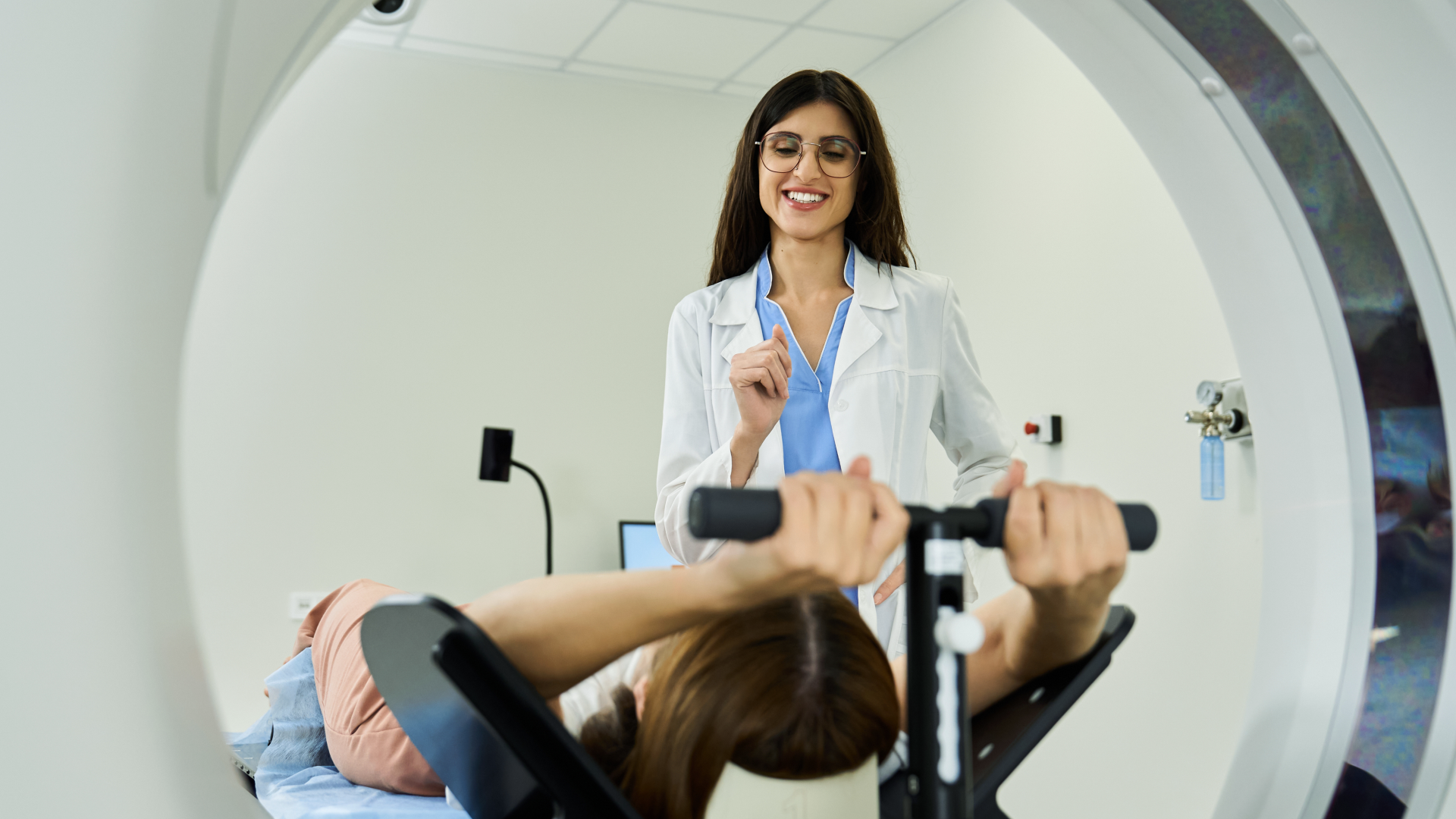
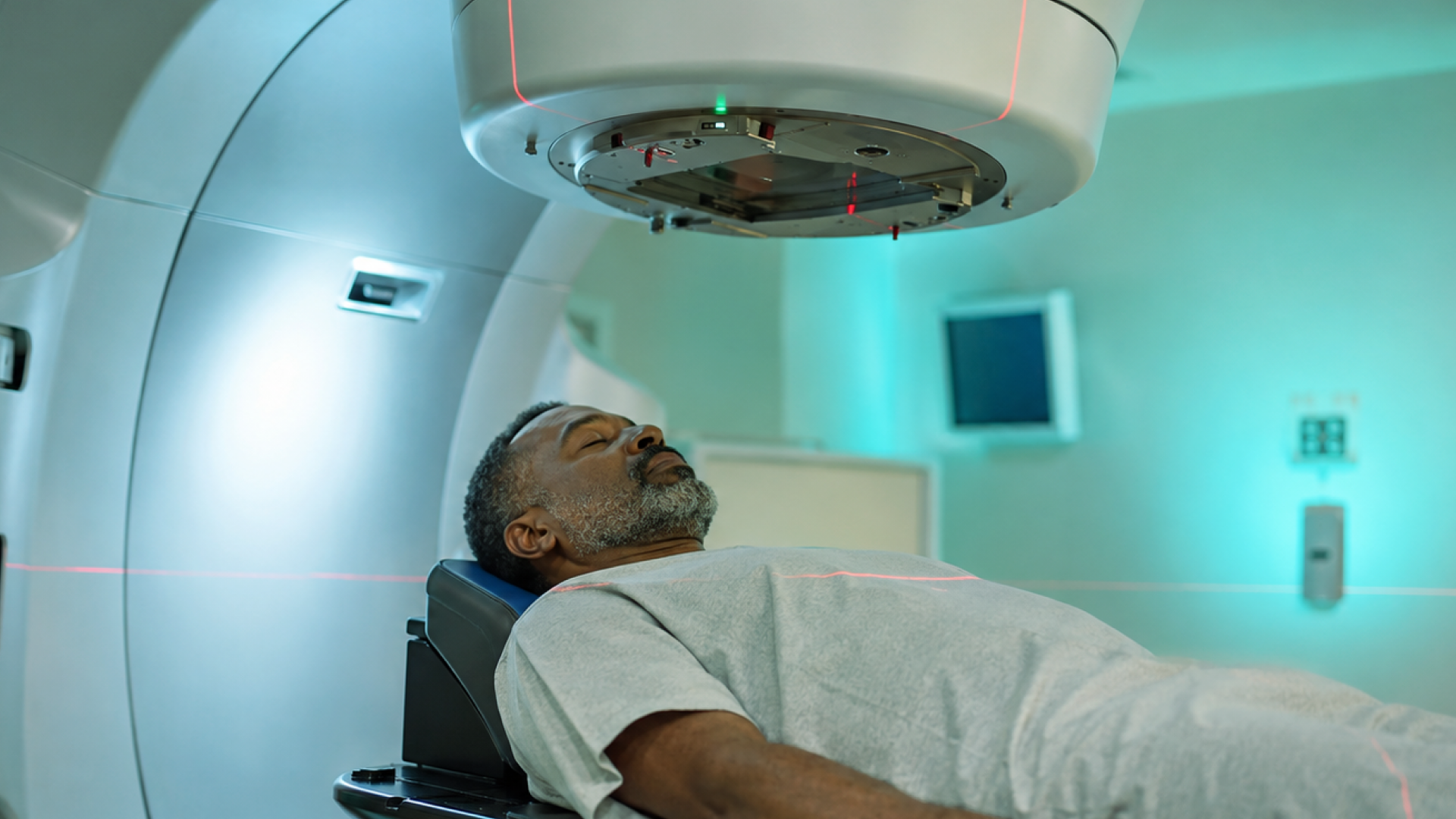
Living with metastatic prostate cancer often requires adjustments, but many men continue working, travelling, and maintaining daily routines. With proper planning, medical guidance, workplace flexibility, and emotional support, it is possible to preserve independence, quality of life, and wellbeing while managing symptoms and ongoing treatment.

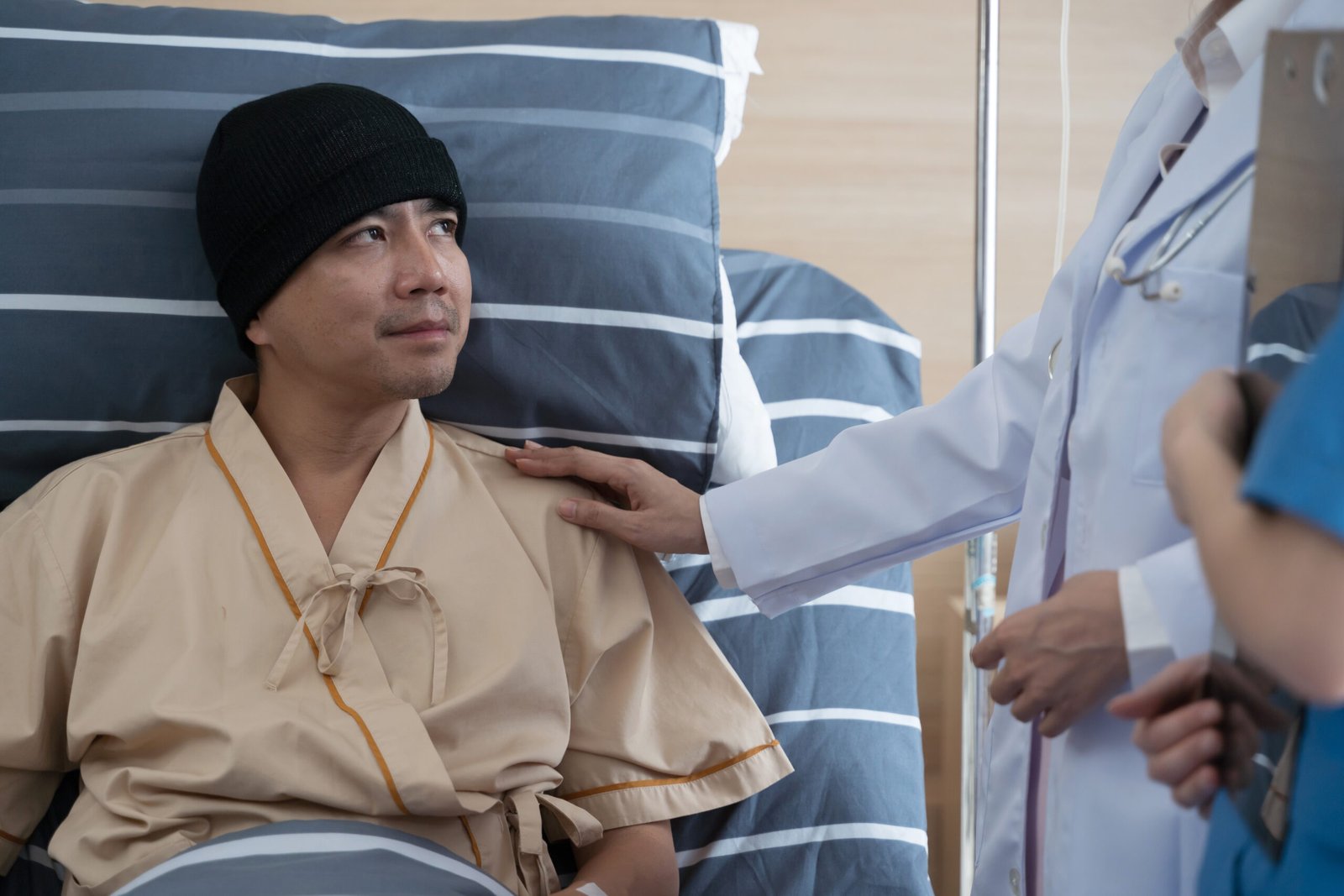
Living with metastatic prostate cancer often brings questions that go beyond treatment itself. Many men wonder how their diagnosis will affect everyday responsibilities such as employment, travelling, and maintaining a sense of normal routine.
This topic matters because work, movement, and daily structure are closely linked to independence, wellbeing, and emotional health. There are several individuals who remain active and engaged in constructive ways with the right information and assistance.
Through this article, you will be able to learn how work, travel and daily life can be changed when managing metastatic prostate cancer. It discusses practical measures, medical factors, and supportive measures to help you stay within the contours of a good life.
Understanding Life With Metastatic Prostate Cancer
Life with this diagnosis often involves adjusting to fluctuations in energy levels, treatment, and symptom patterns that may change over time. Day-to-day life can involve further medical visits, with some intervals between peaks, while practising a normal life. It is also beneficial to learn what to expect, which makes patients feel more prepared and confident about preparing their activities.
1. What Metastatic Prostate Cancer Means
Metastatic prostate cancer is a condition in which the disease has extended to other parts of the body, most usually the bones or the lymph nodes. Although this diagnosis may be somewhat devastating, it does not necessarily imply that day-to-day life should come to an end. Symptoms are mutable and can be treated with proper attention, which many men promote.
Physical side effects can include fatigue, pain, altered urinary function, or hormonal side effects of treatment. There are also emotional responses like anxiety or uncertainty. Knowledge of these changes will enable you to make your plans more realistic and make informed decisions about work, travel, and day-to-day activities. For some men, concerns also arise about family history and inherited risk – understanding if prostate cancer is genetic can help patients and relatives understand screening and long-term planning.
2. Balancing Health and Independence
For many patients with advanced prostate cancer, the goal of care is to control symptoms, slow progression, and preserve independence. Treatment plans are often adjusted over time based on how the body responds. This flexibility allows daily routines to be adapted rather than abandoned.
Living well often involves pacing activities, prioritising energy, and accepting help when needed. Such changes do not indicate a lack of strength but are practical to secure long-term wellbeing.
Work and Employment Considerations
Employment can continue to become a significant aspect of life following diagnosis, as it gives routine, meaning, and a social network. Staying employed will depend on individual health, medication side effects, and the physical or mental implications of the position. Through the necessary adaptations and medical instructions, a lot of patients can devise ways to be professionally active as long as they can handle it.
1. Can You Continue Working?
The question that often arises is, can you work with prostate cancer after it has spread? The symptoms will determine the response, the treatment plan, and what your work is all about. A lot of men still work full-time or part-time, particularly when they make changes.
Work may offer structure, socialisation, and purpose. However, it is important to recognise when rest is needed and to avoid pushing beyond physical limits.
2. Flexibility and Workplace Adjustments
Working while dealing with metastatic prostate cancer often requires changes to how and when work is done. A candid discussion with your employer or the human resources department would make a lot of difference. Common adjustments include:
- Flexible or shorter working hours
- When at home, working as much as possible
- Other interruptions to deal with fatigue or urinary rates
- Temporary or permanent alterations in the job responsibilities
- These modifications aid energy conservation while still enabling one to continue one’s professional life.
3. Legal Protections and Employee Rights
Cancer has been listed legally as a disability in the UK by the Equality Act. This implies that the employers must reasonably accommodate you in the workplace. These protections will be implemented whether you are receiving active intervention or long-term care.
Knowing your rights will reduce stress and help you better express your needs. Proper workplace adjustments can also be evaluated with the help of occupational health services.
4. Financial Planning and Work-related Decisions
Continued therapy can be time-consuming with regard to appointments and rest. This may create issues with income, sick pay, or employment in the future. Early planning will facilitate financial unpredictability. Support may include:
- Thinking about part-time or late retirement
- Holding an interview with a financial consultant
- Getting to know about sick pay or working benefits
- Gaining consultation with organisations like Macmillan Cancer Support
- Financial guidance will enable you to give more attention to health and recovery.
5. Travel With Metastatic Prostate Cancer
Travel is still possible for many people, but it usually requires more preparation and medical guidance than before. Treatment schedules, physical stamina, and symptom control all influence when and how trips can be planned. Close communication with your health care team can ensure that travelling is safe, comfortable and well-maintained.
6. Discussing Travel Plans With Your Doctor
Always discuss your trip with your healthcare team before planning a trip. This is particularly significant following surgery or when in the state of active treatment. Your doctor can advise on timing, safety, and medication management.
They can also give out a medical letter describing your state and prescriptions. Airport security, customs, or healthcare providers travelling can find this document handy.
7. Planning Ahead for a Smoother Journey
The most important thing when travelling with cancer is preparation. Planning lessens stress and ensures that you do not experience any complications during your travels. Some points to take note of are:
- Storing pharmaceuticals in their packaging
- Proper storage of temperature-sensitive drugs
- Bringing enough medication to last the whole trip, as well as beyond
- Carrying medical equipment, such as incontinence aids or a catheter, in one hand and holding baggage
- Preplanning will help to maintain continuity of care despite any delay.
8. Managing Travel Logistics
Travel logistics may be an influencing factor with regard to comfort. In case of urinary difficulties, an aisle seat close to the lavatory should be reserved to make long-distance travelling easier. Physical strain can be minimised with the help of airport or train station services.
Pre-arranging assistance, e.g. wheelchair help, could also be done to save energy. Such services are offered to enhance safety and comfort, and not only to individuals with apparent disabilities.
9. Travel Insurance and Medical Coverage
Travel insurance is more difficult to obtain when one has been diagnosed with cancer, yet this is not impossible. You should fully reveal your condition to have medical problems about cancer covered.
Policies may be provided by specialist insurers. Adequate insurance provides peace of mind and financial protection while abroad.
10. Staying Healthy During Travel
Unfamiliar surroundings and long trips may also enhance some of the health risks. The preventive actions are particularly crucial during cancer treatment. Helpful measures include:
- Wearing loose clothes and being well hydrated
- Caution with food and water in case of reduced immunity
- Performing exercises on the legs when making long journeys to avoid clots
- Wearing high-factor sunscreen because the skin is more sensitive to the sun
- These measures contribute to more comfortable and safer journeys.
Managing Daily Life and Routine
The routines of life may be characterised by the ability to strike a balance between the amount of energy and the wish to be active and self-sufficient. Certain days can be more demanding than others, and it is essential to be flexible and self-compassionate. Setting attainable routines assists in keeping the routine normal and enables some adjustments in case of symptom or treatment requirement alteration.
1. Managing Symptoms Effectively
The daily occurrence of fatigue and pain may vary. Open communication with your physician means that the symptoms are dealt with in time. Pasadia care services may offer pain relief and symptom management with cancer management.
With proper symptom management, comfort is enhanced, and individuals continue to engage in daily life activities. The sooner the intervention is, the better.
2. Maintaining Structure and Routine
A routine in everyday life can bring back normalcy. Trivial things like hobbies, social activities or even easy chores bring emotional stability. Routine is used to overcome the perception of loss of control that can be associated with a cancer diagnosis.
Living with prostate cancer may be characterised by the necessity to change expectations instead of foregoing cherished activities. Flexibility enables routines to change according to the changing energy levels.
3. Exercise, Nutrition, and Wellbeing
Exercise can make one stronger, happier, and energetic. The light exercise, walking, swimming, or yoga, is suggested. Exercise also helps to maintain bone health, especially when cancer has already spread.
A balanced diet rich in fruits, vegetables, and whole foods supports overall health. Nutritional needs may change during treatment so that personalised advice can be helpful.
4. Emotional Support and Mental Health
The emotional impact of cancer should not be underestimated. Feelings of worry, sadness, or frustration are normal. An essential aspect of care is to seek emotional support. Support options include:
- Talking with family and friends
- Joining a cancer support group
- Speaking to a therapist or counsellor
- Accessing resources from organisations such as CancerCare or ZERO Prostate Cancer
- Emotional wellbeing directly influences quality of life and coping ability.
5. Support at Home
Everyday tasks may become more challenging over time. If this happens, practical support can make a meaningful difference. Your GP or local social services can assess whether home adaptations or in-home assistance would be beneficial.
Support at home helps preserve independence and reduces physical strain. When one is willing to be helped, then power is directed in areas such as health and productive actions.
Understanding Prognosis and Quality of Life
The prognosis is more of a person-to-person as it depends on the overall health of the person, the response to treatment and how the cancer acts throughout the time. Numerous people are living long lives, having good symptom control and meaningful daily functioning. An emphasis on comfort, emotional health, and personal objectives is a key aspect of upholding good living and continuity of care.
Life Expectancy and Individual Variation
Life expectancy with prostate cancer metastatic is a question that many patients naturally ask, but the results are quite diverse. Other factors like the general health, response to treatment and the spread are some of the factors that come into consideration. Treatment progress leads to the fact that many men live several years with a high quality of life.
Similarly, life expectancy with advanced prostate cancer cannot be predicted with certainty. Ongoing medical care focuses on extending life while maintaining comfort and function.
Focusing on Quality of Life
Modern prostate cancer care places strong emphasis on quality of life. The therapy regimens are personalised to accommodate effectiveness and side effects. This approach supports continued participation in work, travel, and daily routines where possible.
Living with metastatic prostate cancer is redefining priorities. Being meaningful, comfortable and independent are the key goals for many men.
Finishing Up
Living with metastatic prostate cancer means making changes, which does not mean discontinuing work, travel, or normal lives. With proper planning, medical support, and good care, several men still live active and fulfilling lives. Knowledge and awareness of symptoms, legal rights, travel precautions, and available support allow living independently and well.
When you are going through these hurdles and require professional advice, consulting a specialist can be an important step. Dr Carla Perna provides personalised, evidence-based care focused on both treatment and quality of life, helping patients move forward with clarity and confidence.