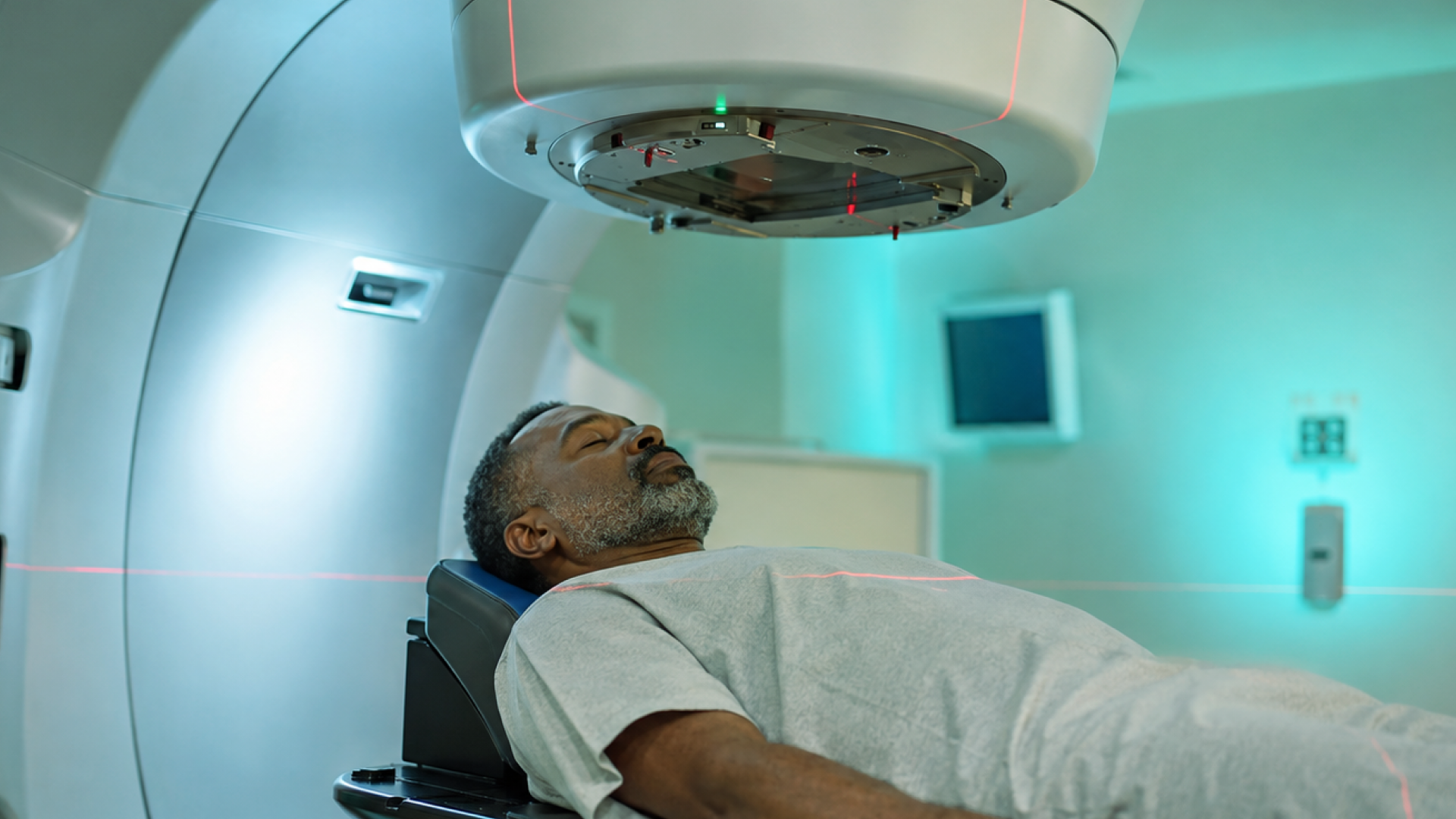
Testosterone does not cause prostate cancer, but it can stimulate cancer cell growth once the disease is present. Understanding this distinction helps men make informed decisions about screening, testosterone therapy, and hormone-based treatments. With proper monitoring and specialist guidance, hormone-related care can be safe, personalised, and effective.


Testosterone is essential for male health. But its relationship with prostate cancer often creates confusion and anxiety for patients. Clear facts help replace fear with informed decisions. This article explains the science, addresses common concerns, and outlines why this connection matters in treatment planning.
Testosterone and prostate cancer are a core area of concern because testosterone influences prostate cell activity, including cancer cell growth, when the disease is already present. This article will help you understand what testosterone does, what it does not do, how prostate cancer affects hormone balance, and how care teams shape hormone-linked treatment strategies.
We will cover risk myths, symptoms, screening context, testosterone therapy considerations, and advanced care decisions shaped by clinical data used in modern oncology. We will also explain when a specialist opinion, such as that provided by Dr Carla Perna, may help personalise decisions.
What Is Testosterone, and Why the Conversation Matters
Testosterone is a hormone primarily produced in the testes. The adrenal glands make a smaller amount. Testosterone supports muscle mass, bone strength, libido, mood, and energy levels. Prostate cells are naturally sensitive to testosterone signals. Awareness of hormone influence helps guide safer decision-making at every stage of urologic cancer care.
Prostate Cancer and Hormones: Understanding the Science Clearly
Prostate cancer develops from mutated prostate cells that grow abnormally in the prostate gland. Many early-stage cases show no symptoms. The disease can remain silent for years. But once cancer cells are present, testosterone can increase cancer cell activity.
How Hormones Influence Prostate Cancer
- Testosterone binds to receptors on prostate cells, including cancer cells
- It increases activity and growth signals in cells that are already malignant
- This is why advanced cancer treatment may involve reducing testosterone levels
- Testosterone is not classified as a direct initiating cause
- Testosterone becomes relevant after cancer exists, not before
Does Testosterone Cause Prostate Cancer?
Does testosterone cause prostate cancer? Testosterone does not directly initiate prostate cancer in healthy men. Disease onset is driven by genetic mutations, ageing, epigenetic influences, inflammation, and carcinogenic exposures (like smoking and chemicals), not testosterone itself. This difference matters for clarity and treatment confidence.
Why Patients Link the Two
For many men exploring the topic, the relationship between prostate cancer and hormones is often reduced to a single question: prostate cancer and testosterone. But clinical evidence shows the connection is about influence on tumour activity, not disease initiation. Understanding this helps patients discuss testosterone therapy with more confidence and ask the right monitoring questions before starting treatment or restarting hormone support.
- Prostate cells respond strongly to testosterone.
- Patients often assume the hormone creates the disease itself
- Clinical evidence does not support testosterone as a disease initiator
- Medical datasets confirm testosterone as a tumour-activity accelerant, not a trigger
- Hormone therapy decisions are based on disease-stage behaviour, not prevention of disease onset alone
Understanding Testosterone Therapy Concerns for Men
Testosterone therapy and prostate cancer decisions should always be taken with close oncology or urology review to ensure safety and disease-stage alignment when therapy is being considered.
Who Should Be Careful With Testosterone Therapy
- Men with a history of PSA elevation
- Men previously treated for prostate cancer
- Men with unclear urinary or pelvic symptom history
- Those under active surveillance for prostate lesions
- Patients discussing hormone therapy or testosterone therapy must ensure that disease mapping is up to date
Safer Steps Before Starting Therapy
- PSA blood test review
- Physical examination if recommended
- Imaging (ultrasound, MRI, or CT when needed)
- Urology or oncology opinion when the risk is not clearly ruled out
- Discuss future monitoring, lifestyle tolerance, and personalised risk balance
Does the Prostate Produce Testosterone?
The question of whether the prostate produces testosterone often appears in awareness conversations, but biologically, the prostate does not make testosterone. It responds only to hormone signals produced mainly in the testes and, to a lesser extent, in the adrenal glands.
This distinction helps men make more informed search decisions. Some patients assume surgical or disease changes disrupt testosterone production itself. But the prostate is not a hormone-producing organ. It is hormone-responsive tissue. Prostate cancer treatment decisions, therefore, focus on controlling hormonal influence, not stopping hormone synthesis within the prostate.
Does Testosterone Reduction Help in Prostate Cancer Care?
In advanced or metastatic disease, doctors may recommend testosterone-lowering hormone therapy (also called androgen deprivation therapy). This reduces cancer cell stimulation. It does not suppress core male features when tailored correctly. The goal is to slow disease activity and protect long-term outcomes and treatment tolerance.
How Hormone Therapy Helps
- Slows cancer cell activity
- Helps widen precision radiotherapy windows
- Reduces the stimulation of cancer-cell receptors
- Often combined with mapping and targeted radiotherapy at limited spread sites.
- Does not aim to remove testosterone entirely, but to reduce its influence in advanced disease
What Patients May Notice
- Muscle or mood shifts may occur temporarily, but are monitored
- Most effects are subtle when care is professional and personalised
- Mild energy or libido reductions that can improve with precision planning
Does Testosterone Replacement Cause Spread or Recurrence?
Whether TRT causes prostate cancer is a frequent patient concern, but TRT (Testosterone Replacement Therapy) is not clinically confirmed to cause prostate cancer. Its relevance comes in men who already have prostate cancer or PSA concerns.
When TRT Requires Oncology or Urology Review
- On PSA elevation histories
- On active surveillance plans
- After radiotherapy or surgery
- After a prostate cancer diagnosis
Safety Steps if TRT Is Considered After Treatment
- Muscle and bone health monitoring
- Imaging if PSA rises or symptoms linger
- Lifestyle tolerance support during therapy
- Oncology opinion before restarting therapy
- PSA trend review every 3-6 months (or based on clinician advice)
Does Prostate Cancer Change Testosterone Levels?
Does prostate cancer affect testosterone levels? This is a common patient question because hormone balance can shift as the disease progresses, especially in advanced spread or post-treatment phases.
How the Disease Can Influence Hormonal Balance
- Low testosterone caused by disease or therapy is monitored carefully
- Disease-led reduction is tracked differently from therapy-led influence
- Treatment-controlled reduction is planned, safe, reversible, and mapped
- Late-stage disease and stress to the body may reduce testosterone signals
- Hormone therapy may intentionally reduce testosterone influence for treatment
What Patients Should Remember
The disease does not always disrupt testosterone production. But it may disrupt testosterone balance and influence. Medical teams assess whether changes are disease-related or therapy-related. Both pathways can lead to safe care when assessed early. Hormonal symptom questions should be handled by oncology and urology care teams.
Do Testosterone Levels Predict Cancer Relapse?
The question of whether prostate cancer affects testosterone levels often comes up when men analyse relapse behaviour. But testosterone level alone does not predict cancer return.
What Predicts Relapse More Reliably?
- Biopsy data, when indicated
- Lymph-node mapping if required
- Imaging-confirmed lesions or masses
- PSA velocity (how quickly PSA rises over time)
- Recurrence history and surveillance datasets followed by the care team
How Testosterone Testing Helps
- Helps avoid therapy intolerance
- Helps personalise surveillance intervals
- Helps guide dietary and muscle support advice
- Assures patients testosterone is managed, not dismissed
- Completes the hormone-balance picture when planning therapy
Does Testosterone Make Cancer Worse?
Testosterone does not make healthy tissue cancerous. But it can stimulate cancer cells if the disease already exists. This is why hormone therapy lowers testosterone influence in advanced disease. Gathering these facts early protects patient confidence.
Do Men with Low Testosterone Face Higher Cancer Risk?
Whether low testosterone causes cancer is a commonly misunderstood concern online, but there is no clinical evidence that low testosterone initiates prostate cancer or other urologic cancers. While testosterone levels are often discussed in relation to prostate cancer, genetic factors can also influence risk. You can explore this further in our detailed article on whether prostate cancer is genetic.
What May Cause Low Testosterone in Patients
- Ageing
- Poor lifestyle tolerance
- Stress and lack of sleep
- Hormone therapy for existing prostate cancer
- Chronic illness or undiagnosed metabolic concerns
Clinical Position
- It does not create tumours in urologic tissue
- It may reduce therapy tolerance if not monitored
- Low testosterone is a symptom outcome, not a cancer input cause
- Medical teams track the cause of testosterone reduction differently
- Oncology and urology teams may advise lifestyle tolerance support if testosterone dips
Final Thoughts
A proper understanding of testosterone and prostate cancer matters because testosterone influences tumour activity when prostate cancer cells are already present. But testosterone does not initiate healthy tissue into cancer.
Hormone therapy lowers testosterone levels safely in advanced disease. Early detection ensures treatment stays targeted, mapped, and organ-protective. Proactive screening, lifestyle changes, and timely specialist care widen treatment options and long-term outcomes.
To personalise hormone-linked care decisions and explore precise treatment pathways, book a consultation with Dr Carla Perna. You can also learn more about our treatment options and begin your path to early mapping, clarity, and care confidence.