Gary
Gary agreed to share his story. We've changed some details at his request.
Radiotherapy Specialist
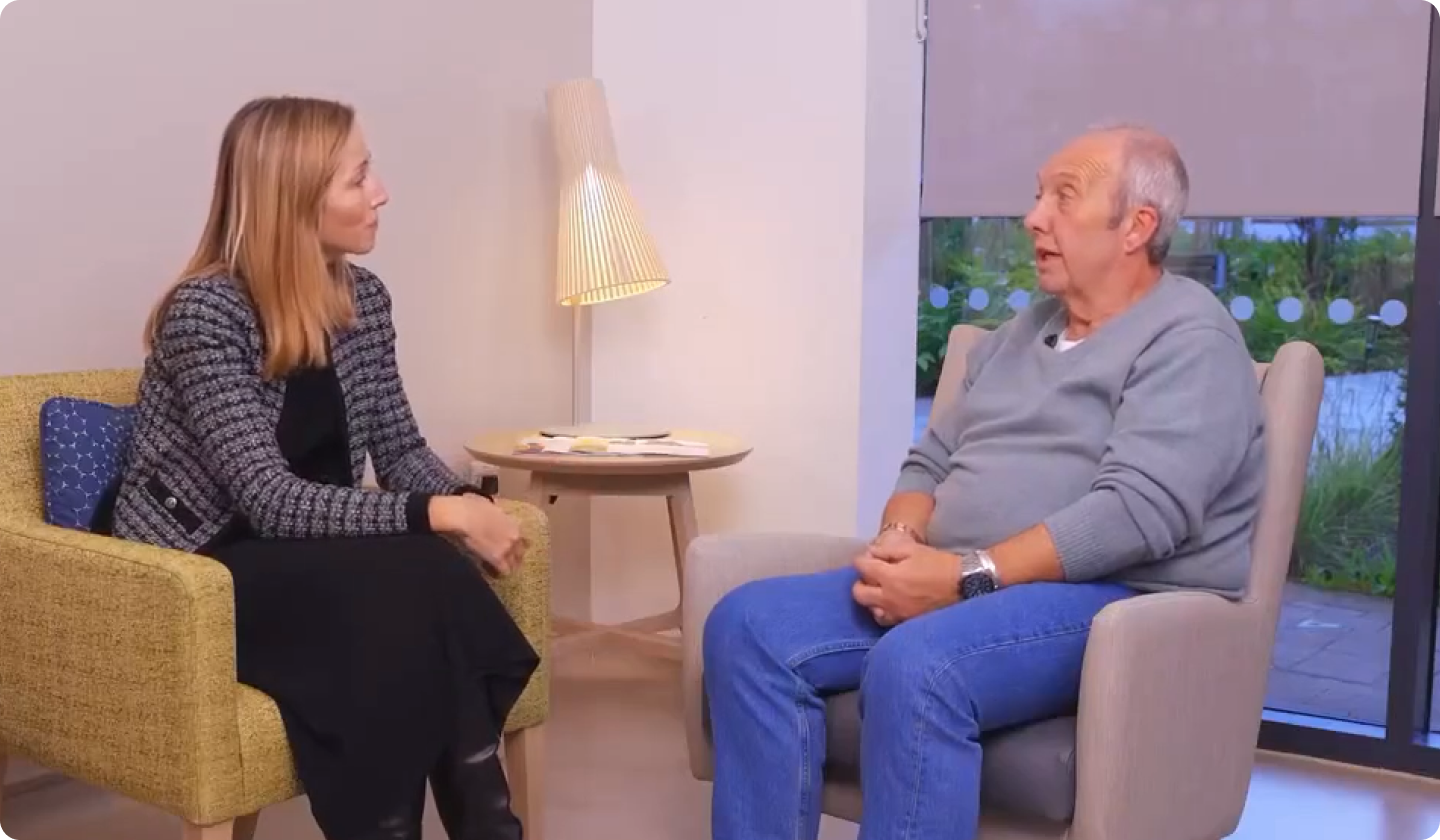
Gary was 58 when a routine blood test flagged an elevated PSA level. His GP referred him promptly. What followed was a series of appointments, letters, and medical conversations that, for Gary, felt overwhelming in ways that had nothing to do with the diagnosis itself. Gary is autistic. The clinical pathway was not built with him in mind. He came to Dr Perna looking for someone who would slow down, explain things clearly, and let him ask the same question more than once.

Introduction
MRI-guided radiotherapy for prostate cancer is one of the most precise treatment options available in the UK today. This case study follows Gary, a self-employed man in his early sixties, who was diagnosed with prostate cancer in 2024 and treated by Dr Carla Perna, consultant clinical oncologist. Gary's story shows what happens when a patient is fully informed, involved in his own care decisions, and supported throughout. His outcome was good. He finished treatment, went back to work, and got on with his life.
This case study is shared with Gary's permission. It is written to give other men and their families a clear, honest account of what MRI-guided radiotherapy actually looks and feels like from the patient's point of view.
"If I had to make the decision again, I'd do exactly the same thing, without a shadow of a doubt. To know that it's sorted is a great relief."
Gary
Background: How Gary Came to Dr Carla Perna
Gary was referred to Dr Carla Perna after receiving a prostate cancer diagnosis from his urologist. At that stage, he had already been told about his three main treatment options: a radical prostatectomy (surgical removal of the prostate), brachytherapy (radioactive seeds placed inside the prostate), and external beam radiotherapy using a modern MRI-guided machine.
He came to Dr Carla with questions. He also came with a strong view about one thing: he did not want surgery. The prospect of incontinence was, in his own words, "the most important thing" he needed to avoid. He also had reservations about the more invasive nature of brachytherapy, which, although completed in a single day, involves inserting radioactive seeds directly into the prostate tissue.
That left MRI-guided treatment as the option that felt right for him.
The Treatment Decision: Informed Consent Done Properly
One of the most important parts of Gary's story is not the treatment itself. It's what happened before treatment started.
Dr Carla took Gary through the side effects in detail at their first consultation. Urinary frequency and urgency. The possibility of loose stools or diarrhoea. Erectile dysfunction. Changes to orgasm. These are not minor things to tell a patient. And they are not always discussed with the frankness Gary received.
Gary left that first appointment knowing what might happen. He said it gave him confidence, not because everything sounded easy, but because nothing was hidden.
This matters clinically. Research consistently shows that patients who receive a thorough explanation of potential side effects before treatment report higher satisfaction with their care and are better equipped to manage those effects if they occur. Informed consent is not just a legal box to tick. It is the foundation of a good treatment outcome. For Gary, knowing what to expect allowed him to go into treatment prepared rather than caught off guard.
Why MRI-Guided Radiotherapy for Prostate Cancer Was the Right Choice for Gary
Prostate cancer sits in a part of the body surrounded by organs that move. The bladder fills. The bowel shifts position depending on gas and digestion. Conventional radiotherapy has to account for that movement by using wider planning margins, which increases the risk of radiation reaching healthy tissue.
The MR Linac changes that. It combines a magnetic resonance imaging (MRI) scanner with a linear accelerator (the machine that delivers radiation) in a single unit. During treatment, the machine can see exactly where the prostate is in real time. If it moves, the radiation beam pauses automatically. It only fires when the tumour is in exactly the right position. The accuracy is at the level of millimetres.
For Gary specifically, Dr Carla recommended this technology partly because of the size of his prostate. A larger prostate creates more potential for the organ and surrounding structures to shift during treatment. The real-time imaging and automated beam gating made the MR Linac particularly well-suited to his case.
A Phase III randomised clinical trial showed that MRI-guided SABR significantly reduced genitourinary and gastrointestinal toxicity compared to CT-guided delivery, which is meaningful in practical terms: fewer side effects, better tolerance, and a smoother recovery. For a man who was adamant about maintaining his quality of life, this was a significant factor in the recommendation.
What the MRI-Guided Radiotherapy Treatment Schedule Looked Like
Gary's radiotherapy was delivered over five fractions: half a day on, then a day off, then on again, alternating over two weeks. This is known as stereotactic ablative radiotherapy (SABR) delivered in five fractions, sometimes written as 5# SABR.
Each session lasted approximately half an hour inside the machine. Gary described the experience straightforwardly: he lay inside what felt like a tunnel, there was a lot of noise, and he felt nothing. No pain during the session. No pain when he got out. He walked to his car and drove to work.
That last detail is worth pausing on. Gary was self-employed and, in his own words, couldn't afford extended time away from work. The fact that he completed MRI-guided radiotherapy for prostate cancer and carried on working the same day is a reasonable outcome for many men, though each patient's experience and energy levels will vary.
For comparison, brachytherapy is completed in one day but involves a surgical procedure under general anaesthetic, with a recovery period that follows. Conventional external beam radiotherapy can involve sessions five days a week for up to seven or eight weeks. The five-fraction MR Linac schedule sits in a different category entirely in terms of disruption to daily life.
Hormone Therapy: The Part of the Plan Gary Hadn't Fully Anticipated
This is the part of Gary's treatment that merits the most attention for other patients reading this, because it is often the element that surprises people the most. Before Gary started radiotherapy, Dr Carla explained that hormone therapy would be part of his treatment plan. Hormone therapy for prostate cancer works by lowering testosterone in the body. Prostate cancer cells rely on testosterone to grow, and reducing it causes the cancer cells to shrink. This makes subsequent radiotherapy more effective.
Gary's hormone therapy ran for three months before radiotherapy began, continued during his five treatment sessions, and continued for three months afterwards. That is a six-month course in total, which is standard for intermediate to high-risk localised prostate cancer treated with radiotherapy.
The side effects Gary experienced from hormone therapy included muscular aching. He described it as muscles he "didn't know he had" suddenly making themselves known. He was taking medication to suppress testosterone alongside tablets to prevent gynaecomastia (breast tissue development), a known side effect of testosterone suppression. He managed both without significant disruption.
He was also honest about the effect on sexual function. Erectile function was inconsistent during treatment. Orgasms were different, less intense, a fact Dr Carla had specifically warned him about at their first meeting. His relationship with his partner was not negatively affected, in his account, because they discussed it openly and went into it with clear expectations.
Hormone therapy can cause a range of side effects, including changes to libido, muscle loss, weight gain, mood changes, and cardiovascular risk. Not all patients experience all of them. Gary's experience was on the milder end, though he was clear-eyed about the trade-offs involved.
Understanding what to expect from side effects of hormone treatment for prostate cancer before starting treatment allowed Gary to experience those effects without panic. That is one of the most undervalued outcomes of good pre-treatment counselling.
Exercise Medicine as Part of Treatment
Alongside his radiotherapy, Gary enrolled in the exercise medicine programme offered through GenesisCare. This was not an afterthought. It was part of his overall treatment plan.
He was given a structured routine by the exercise team, which was varied every two weeks and targeted specifically at the muscle groups affected by his treatment. Gary, by his own description, was enthusiastic. He said he "really enjoyed it."
This is consistent with a growing evidence base. Exercise in men with prostate cancer undergoing radiation therapy improves physical function and mitigates urinary toxicity. Preclinical research has also shown that exercise can reduce intratumoral hypoxia, a factor that limits how effectively radiation works. In practice, the structured exercise Gary took part in helped him maintain strength, counteract some of the muscle-related side effects of hormone therapy, and stay physically active throughout his treatment window.
For men on hormone therapy in particular, resistance-based exercise is especially relevant. Testosterone suppression reduces muscle mass over time. Targeted strength training directly addresses that. Gary's consistent engagement with the programme meant he came out of treatment in better physical shape than many patients who do not take up this option.
You can read more about exercise and prostate cancer and why physical activity is built into modern prostate cancer care.
The Outcome: Gary's Perspective One Year On
Gary was asked, looking back, whether there was anything he would have done differently. His answer was clear: no. He would make the same choices again "without a shadow of a doubt."
He described knowing his cancer was treated as "a great relief." He said he was happy to be free of it and to get on with his life. There was no dramatic flourish in his account. Just a working man who had a prostate cancer diagnosis in 2024, went through treatment, and came out the other side still working, still in a relationship, still himself.
That is what a good outcome looks like in the real world. Not the absence of any side effects, but a man who was informed, supported, and able to make decisions that reflected his own values and priorities, and who got back to his life.
What This Case Study Tells Us About Prostate Cancer Treatment in 2024
Gary's case sits at the intersection of several things that are changing how prostate cancer treatment is delivered in the UK.
The first is technology. MRI-guided radiotherapy for prostate cancer has moved from being an experimental procedure to an established clinical pathway. The evidence base supporting 5# SABR on the MR Linac is now strong enough that it is offered routinely at specialist centres.
The second is the shift in how treatment decisions are made. Gary's experience reflects a model of care where the patient is not handed a treatment plan but is genuinely involved in choosing between options, with a consultant who takes time to explain trade-offs rather than just recommendations.
The third is the integration of supportive care. Exercise medicine, psychological support, dietary advice, and specialist nursing all exist alongside the clinical treatment. Gary used the exercise medicine. It made a difference. That is not incidental to his outcome.
For any man facing a prostate cancer diagnosis and weighing up the best treatments for prostate cancer, what Gary's story offers is not a blueprint to copy. Every tumour is different. Every patient is different. But the process he went through, being heard, being properly informed, having his priorities respected, and being supported through treatment and beyond, is one that every patient deserves.
A Note on Side Effects After Prostate Cancer Treatment
Gary was candid about the effect of treatment on his sex life, both during and after. This is a topic that often goes underdiscussed in clinical settings despite being one of the most significant quality-of-life concerns for men with prostate cancer.
Erectile dysfunction after prostate cancer treatment is common across all treatment modalities. Surgery carries the highest risk of permanent erectile dysfunction because it can damage the nerves responsible for erections. Radiotherapy, particularly with modern MRI-guided techniques that spare surrounding vascular structures, tends to carry a lower risk. Hormone therapy adds a layer of testosterone suppression that affects both erection quality and libido independently of the radiotherapy itself.
Gary's situation, partial changes to erectile function and a change in orgasm intensity, is a recognised pattern for men receiving hormone therapy alongside radiotherapy. For most men, erectile function improves after hormone therapy finishes, though the timeline and degree of recovery vary. It is worth reading about sex after prostate surgery and the broader picture of sexual health after prostate cancer treatment, as this applies to all treatment types, not just surgery.
Partners are also part of this picture. Gary's relationship was not negatively affected, in large part because he and his partner went into treatment knowing what to expect. Open communication before and during treatment is consistently associated with better relational outcomes for couples navigating prostate cancer together.
FAQs
How did it feel going into treatment for the first time?
Gary: You instilled so much confidence in me. Well, Mr Pop gave me the three options, which were a radical prostatectomy, the brachytherapy, and then the beam-targeted radiotherapy. With your expertise, I chose the beam-targeted radiotherapy.
What was your thought process when you discussed the side effects?
Gary: Everything you said gave me confidence. And also, I just couldn’t do the incontinence thing. That was the most important thing to me. And I don’t really like the idea of being cut open. This seemed and has proved to be a better option.
What was the experience inside the machine like?
Gary: It’s an unusual experience. You’re there in a tunnel as such, and there’s a lot of noise going on around you, but you don’t actually feel anything. And then you get out and walk out, and you feel the same as when you went in. No pain at all.
Did the side effects affect your relationship?
Gary: No, not at all. We just discussed it. And you were correct, you were exactly correct about orgasms being totally different. That is a new experience. It’s just less intense.
What supportive care did you choose alongside the radiotherapy?
Gary: I chose exercise medicine. I really did enjoy it. The team give you a set routine, which they vary every two weeks or so, and it’s all targeted at wherever the muscles need strengthening. Really enjoyed it.
Looking back, would you do anything differently?
Gary: If I had to make the decision again, I’d do exactly the same thing, without a shadow of a doubt. I’d recommend anyone to have the MR Linac. To know that it’s sorted is a great relief. Just happy to be free of it and to get on with life.
Last reviewed: May 2026. This case study is based on a patient interview conducted with Gary's informed consent. It reflects his individual experience and should not be taken as a guarantee of any specific outcome. All men with prostate cancer should discuss their treatment options with a qualified oncologist.

Internal Documentation

Dr Carla Perna
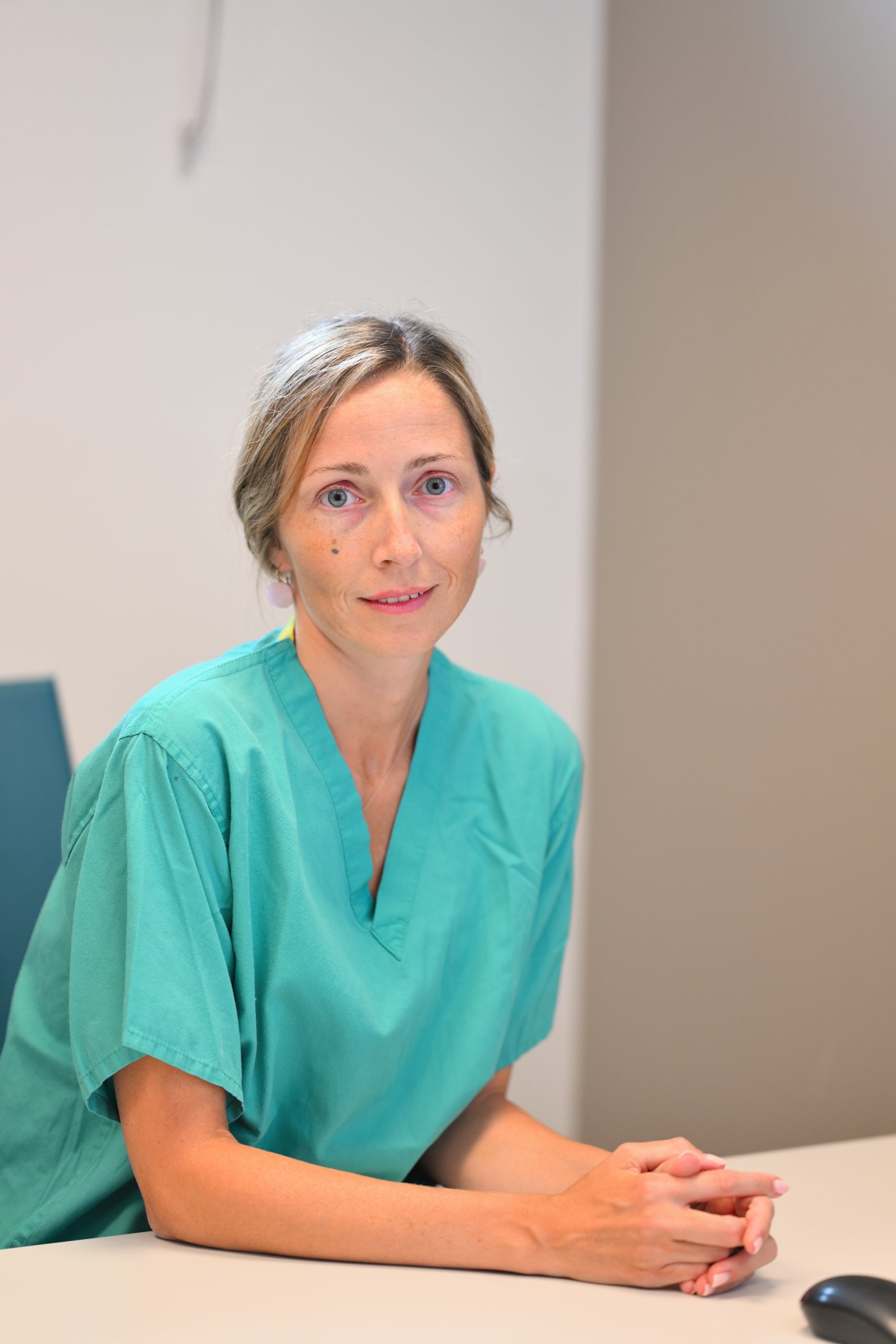
Dr Carla Perna is a Consultant Clinical Oncologist specialising in prostate and urological cancers. She practises across leading private hospitals in London and Surrey, offering patients access to advanced treatments including MRI-guided radiotherapy, Lutetium PSMA therapy, and stereotactic radiotherapy. Her approach centres on clear communication and treatment decisions made together with each patient.
Your Path to Relief Starts Here
A private consultation is the best way to get your questions answered and discover if our gentle, non-surgical treatment is the right choice for you. Please use the form below to book your appointment, and our patient care team will be in touch shortly.